
Follow
the podcast on


They’re an absolute nuisance in summer, especially around the barbeque later in the day!
If you’ve been in Australia during the holidays, you may have been near the coast with ponds and rivers, inlets and wetlands. There you’ll find salt-marsh mosquito – nasty biters (that species was eradicated from NZ some decades ago – just as well, it transmits Ross River Virus).
In New Zealand we don’t have any capable vectors of malaria or dengue or Chikungunya or encephalitis – biosecurity is important!
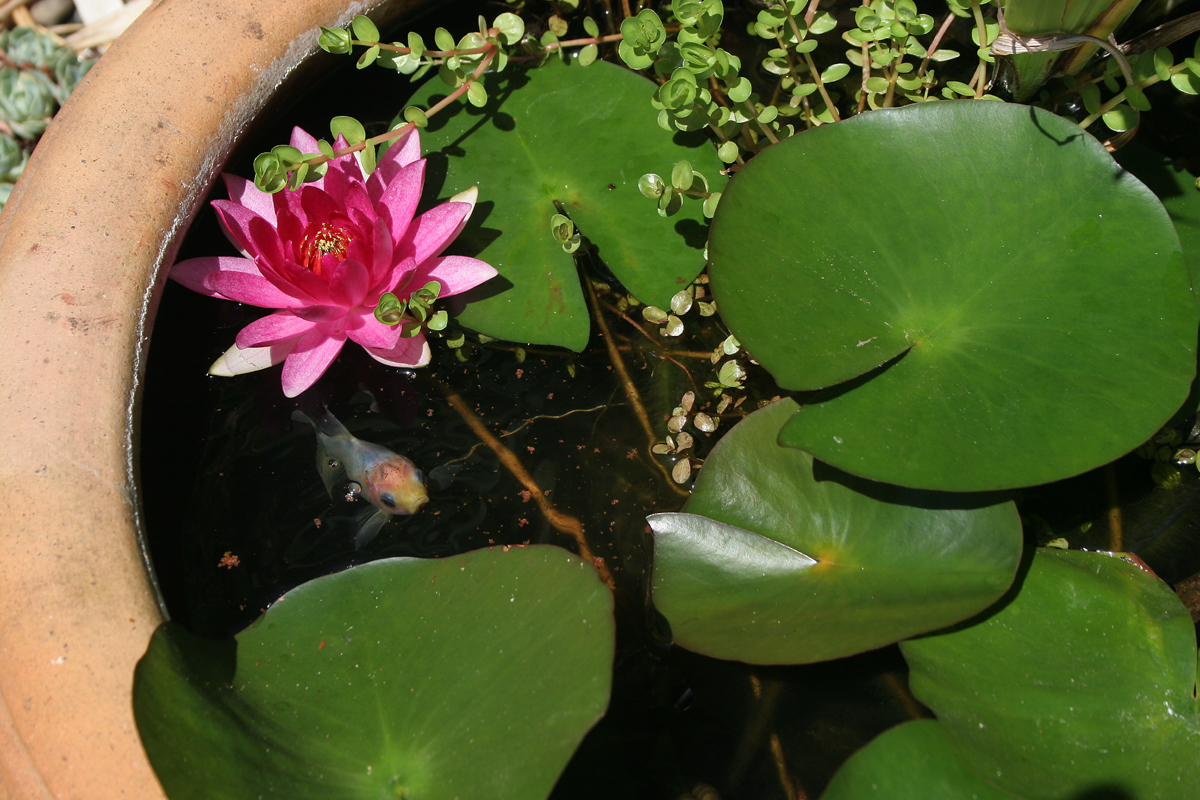
Our mozzies live in stagnant water. In the garden, a tyre-swing collects water during rain and mozzie larvae will inhabit that tyre. Blocked guttering, ponds, troughs, buckets, stock hoof-prints, etc, as well.
We even have a native species (Salt Pool Mosquito) in saltwater pools near rocky shores: Northland, Goat Island Marine Reserve, Bay of Plenty, Kaikoura. They bite too, especially during the day.
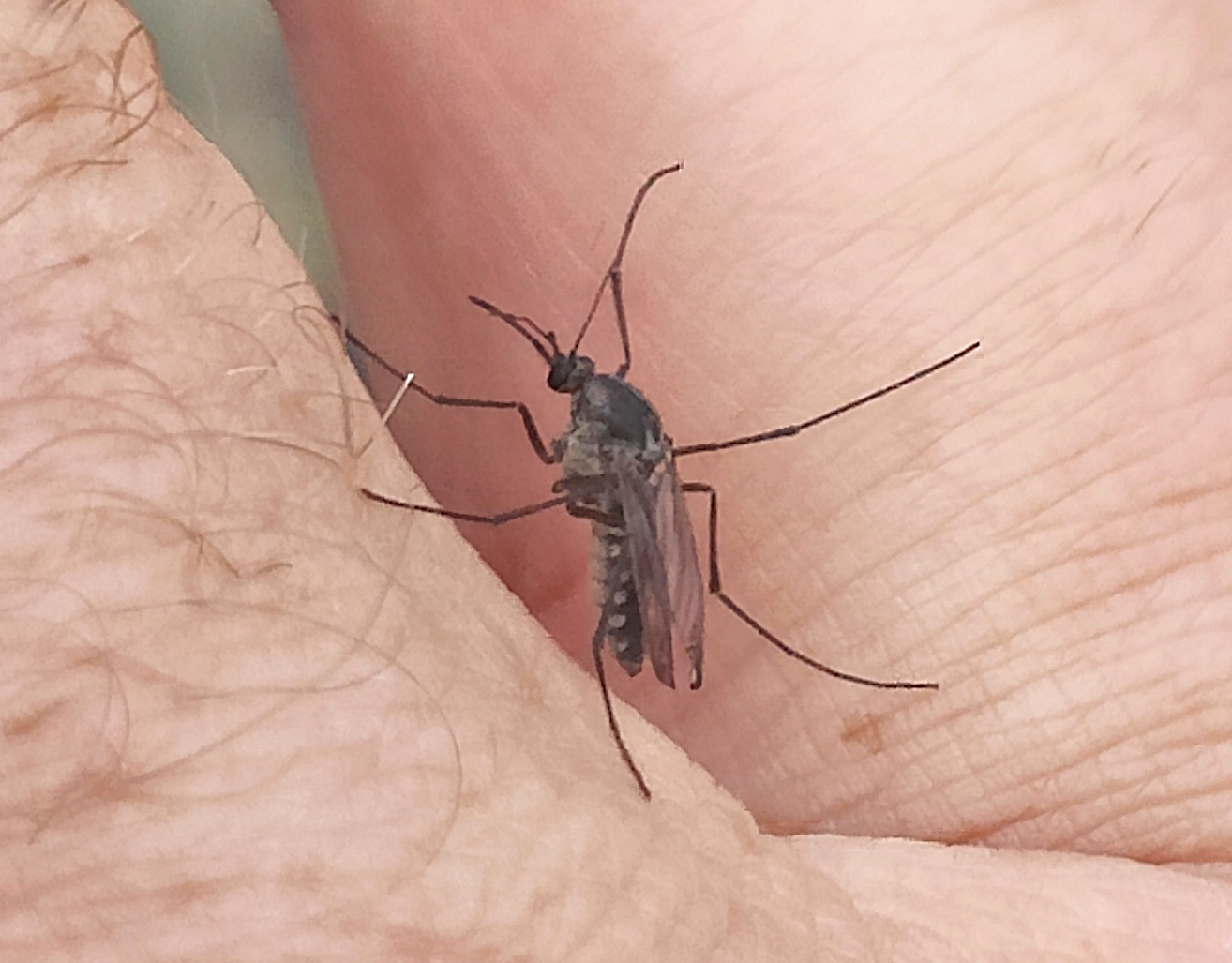
The idea is to use repellent – frequently!
The girls need protein to produce eggs, and that comes in the form of blood – especially from mammals and birds. Just a drop… that’s all they need.
Personally, I think that our mosquitoes are great parts of our environment; not many people realise that they have good jobs to do:
Larvae (juvenile phase) go up and down in water – they breathe through a snorkel system in their bum (which can have serious drawbacks).
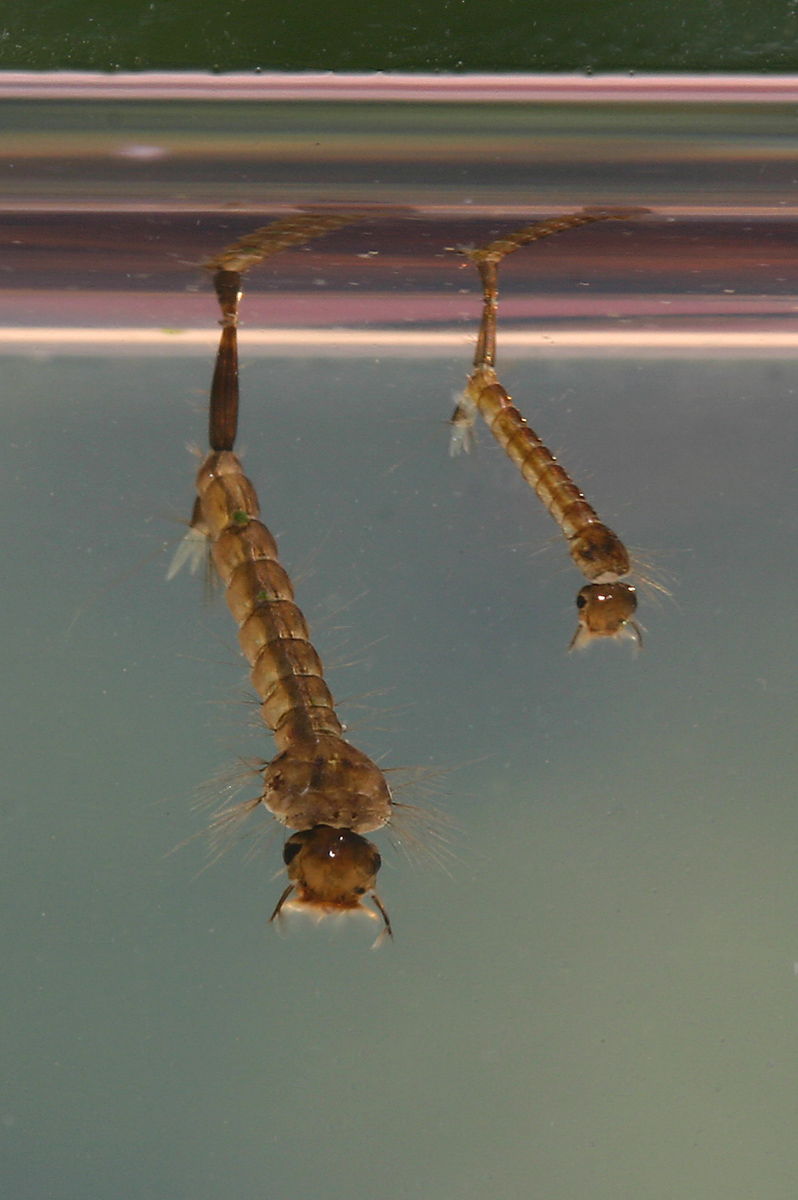
They eat bacterial soup and clean the water, really. They change skin, moulting a few times, turning into a comma-shaped pupa/chrysalis before hatching as an adult mosquito with wings and an attitude (females only - males drink nectar and pollinate).
Larvae clean the water and are food for whitebait, aquatic insects and a huge food chain that follows.
The adult, flying, mosquitoes feed native birds (fantails, etc), dragonflies, jumping spiders, and a whole cohort of useful predators!
And with that drop of blood, you sponsor a complete ecological system: tolerance, please!
LISTEN ABOVE
Take your Radio, Podcasts and Music with you
Get the iHeart App

Get more of the radio, music and podcasts you love with the FREE iHeart app. Scan the QR code to download now.

Download from the app stores


Stream unlimited music, thousands of radio stations and podcasts all in one app. iHeart is easy to use and all FREE


