
Follow
the podcast on


In my Gum trees I have a good colony of Aussie Silk Moths, aka gum emperor moth caterpillars – they live and feed on gum trees (but also on liquidambar).
Now’s the time to look for them in the “wild” – in the South Island they occur all the way down to Canterbury (Lincoln and Banks Peninsula is as far south as they get). The smallest caterpillars are quite dark in colour – almost blackish and about 8mm long. As they grow (and shed their skins) they change their colours and cause distinct chewing marks on the lower gum leaves.
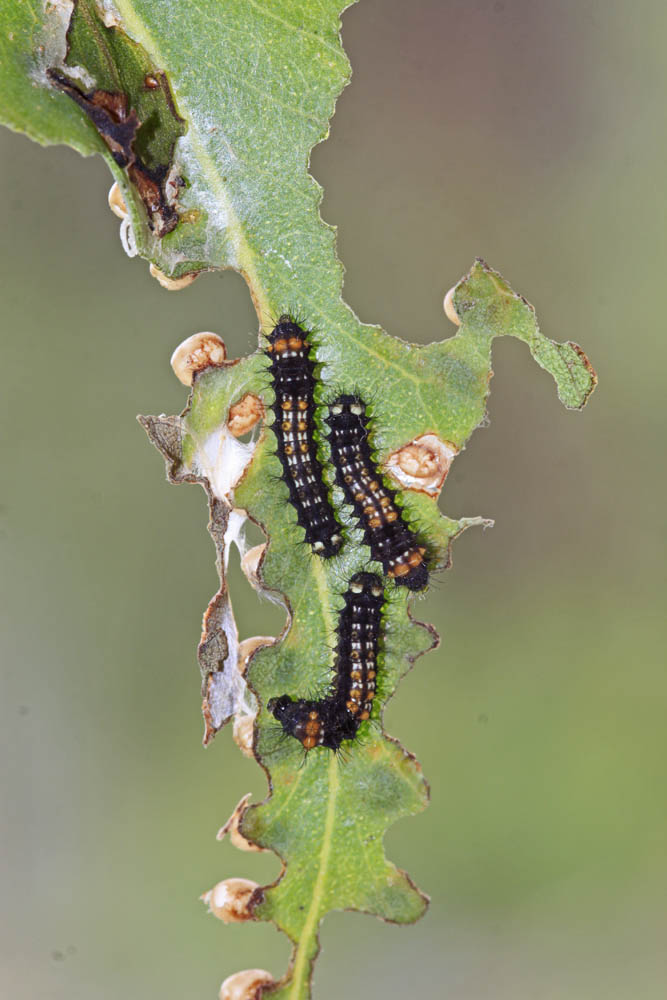
In a few weeks they’ll grow bigger and bigger until they end up being 12 centimetres long and absolutely gorgeous. If you think that daddy longlegs are fascinating, show the kids these caterpillars!

The growing caterpillars move further and further upwards in the tree, often preferring the freshest leaves. In the meantime, caterpillar colours have become green and blue with stunning legs, feet, tubercles and nodes in orange and red, pretending to be “poisonous”.
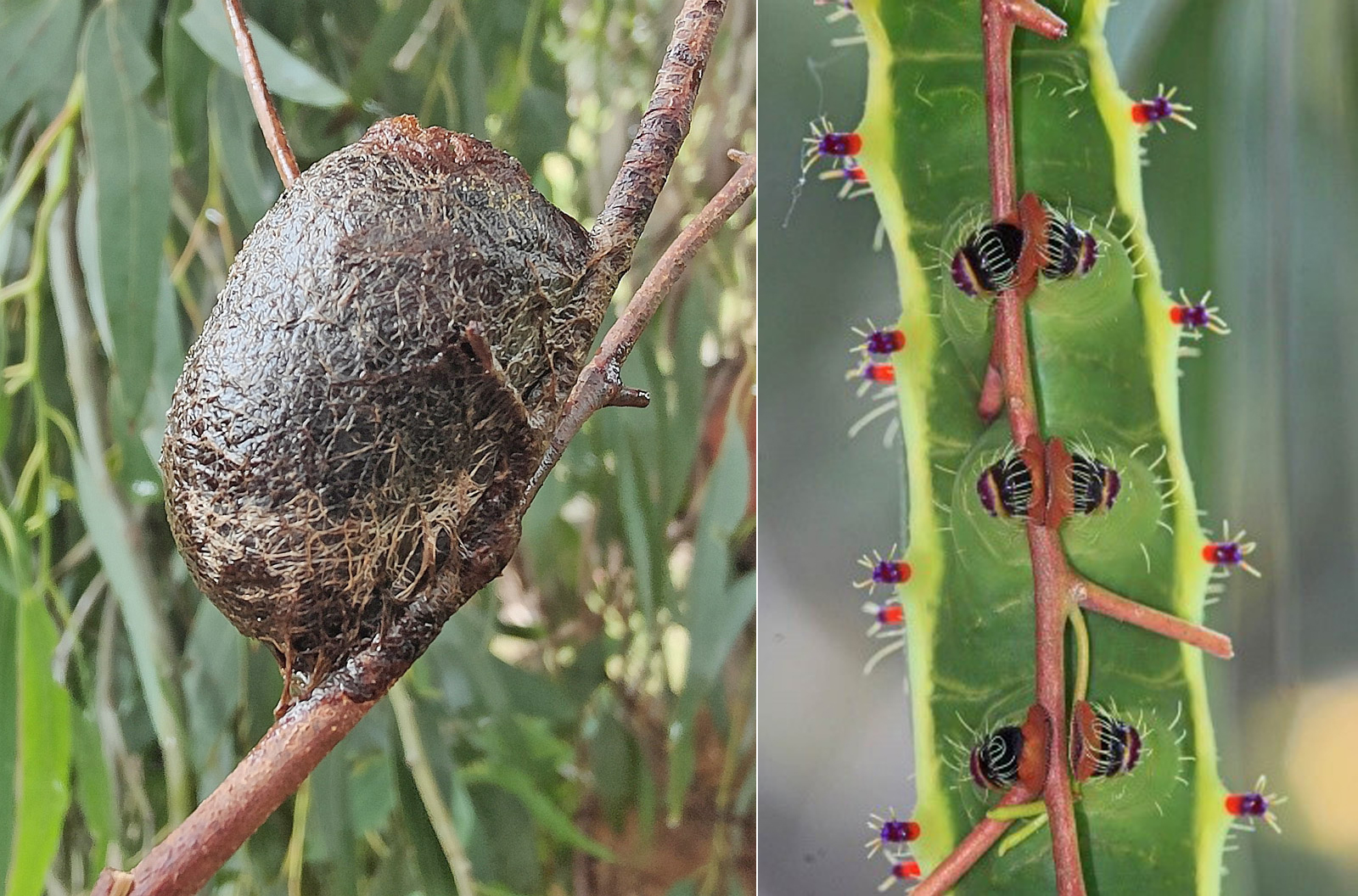
After about three weeks they’ll spin a cocoon, brown and rather hard. Ironically this moth belongs to the silk moth family, but this Aussie silk is of rather inferior quality – not soft enough to make clothes from.
The moths will spend most of their time in chrysalis/pupa/cocoon overwintering. What happens inside the cocoon is that remarkable phenomenon of “metamorphosis” – think of it as totally re-arranging the molecules (which made a caterpillar) and forming those into the shape of a moth.
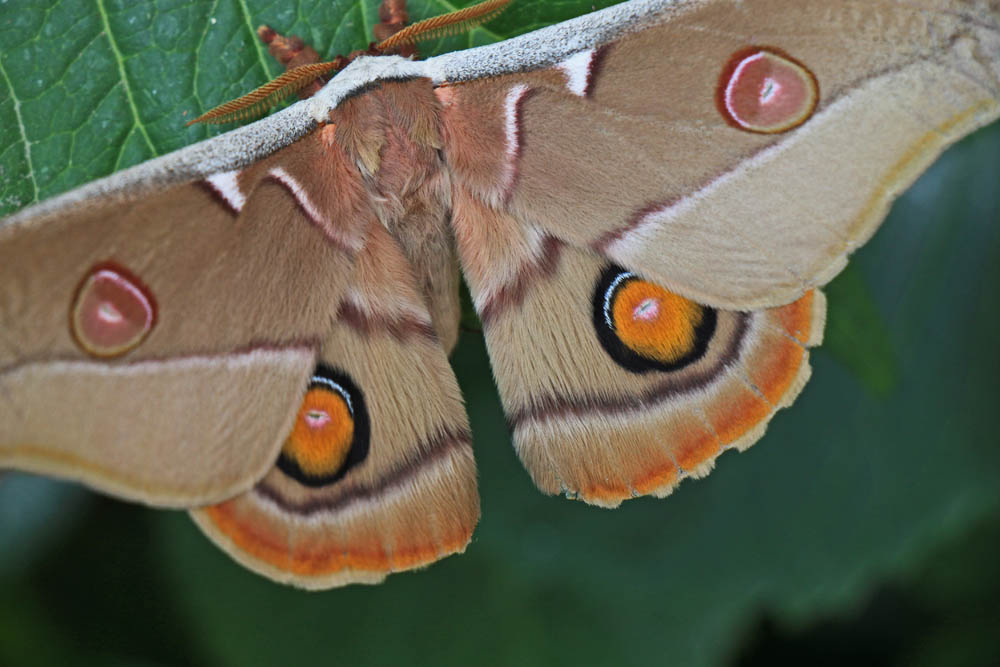
In November/December/January, the chrysalis opens and out comes this amazing brown and pink moth with eye spots. It’s a big moth, with a 15 cm wingspan! These moths mate and the females lay whole strings of relatively large, creamy-white eggs on gum leaves – the eggs hatch in summer and that’s where we are now!
LISTEN ABOVE
Take your Radio, Podcasts and Music with you
Get the iHeart App

Get more of the radio, music and podcasts you love with the FREE iHeart app. Scan the QR code to download now.

Download from the app stores


Stream unlimited music, thousands of radio stations and podcasts all in one app. iHeart is easy to use and all FREE