
Follow
the podcast on


It might not be obvious in Aotearoa, but there’s something like 1400 different species of snails! They’re in many groups and with many different jobs to do, in the forests, in liquid habitats, on tree trunks, and in your garden.
Native snails consume dead and decaying leaves, fungus, and algae (they don’t eat your veggie garden) and leave behind nutrient-rich poo for soil health.
The Leaf-veined slug is one of those Molluscs that slithers around in the evening and at night. Their movement can be relatively smart, especially when they cruise on outdoor furniture or on leaves. Here they clean surfaces – literally! I’ve always called them the Wet & Forget slug, simply because they leave those clean tracks where-ever they went.
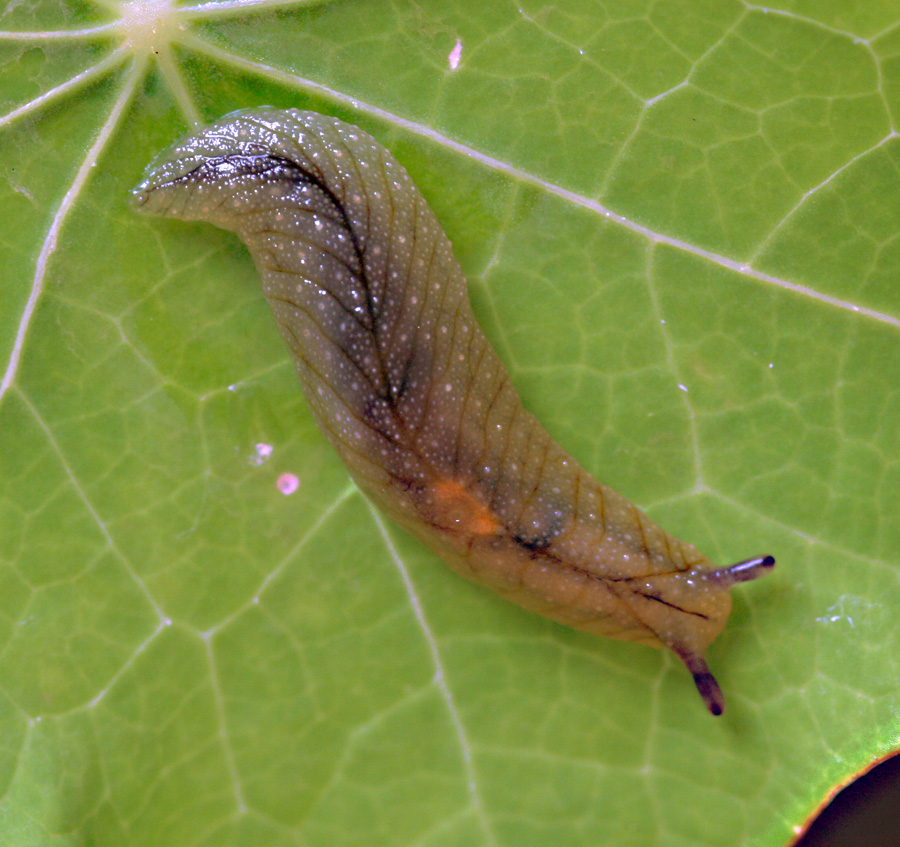
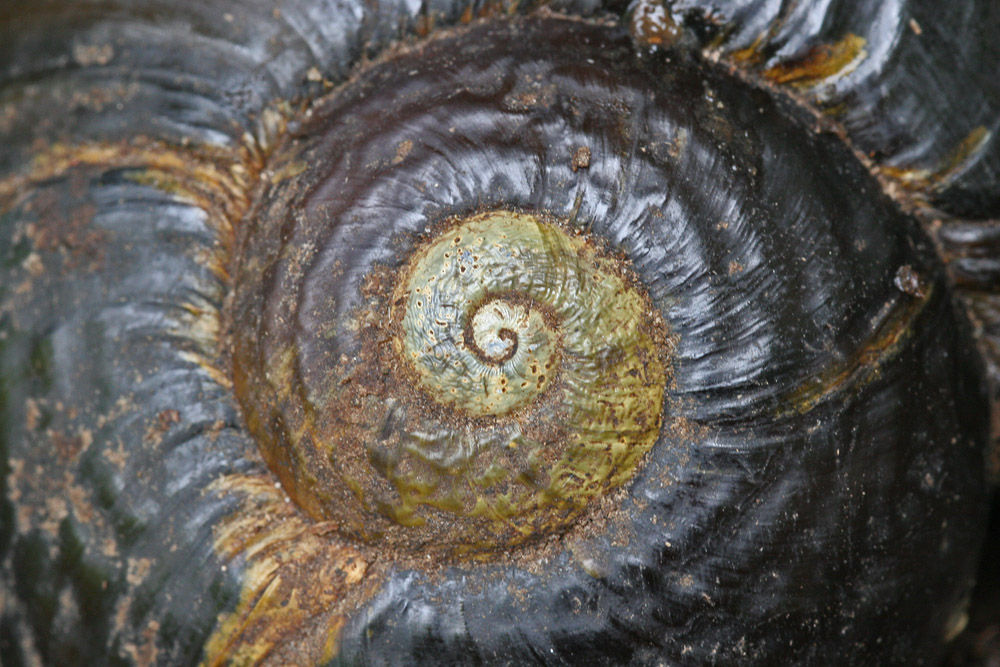
Paryphanta the kauri snail. A serious native snail with almost 80 mm diameter shell. It occurs from Kaitaia to the southern parts of Northland. It’s even distributed to Titirangi and Laingholm, where I used to have it on our lawn, especially at night. I’ll never forget having to remove these massive snails before mowing the lawn! They are carnivorous: eating worms, insect larvae, and other snail species. The way they catch the worms is akin to sucking up spaghetti from the layers in the soil!
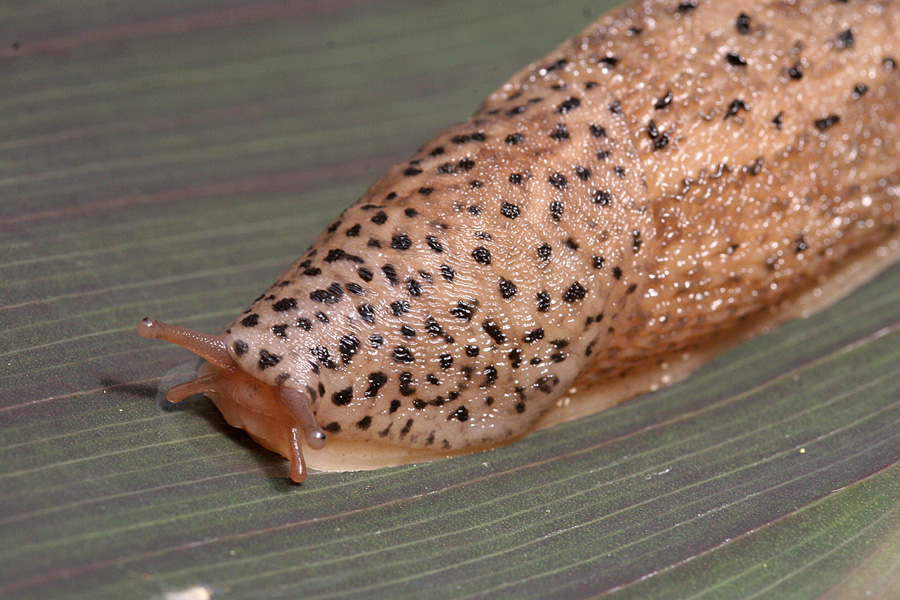
Limax maximus (literally: “the largest slug”) also known as the leopard slug. Introduced into New Zealand and has a habit of getting inside our homes, especially when there’s a cat with milk in its bowl. The slurping by this slug can be heard by the neighbours!
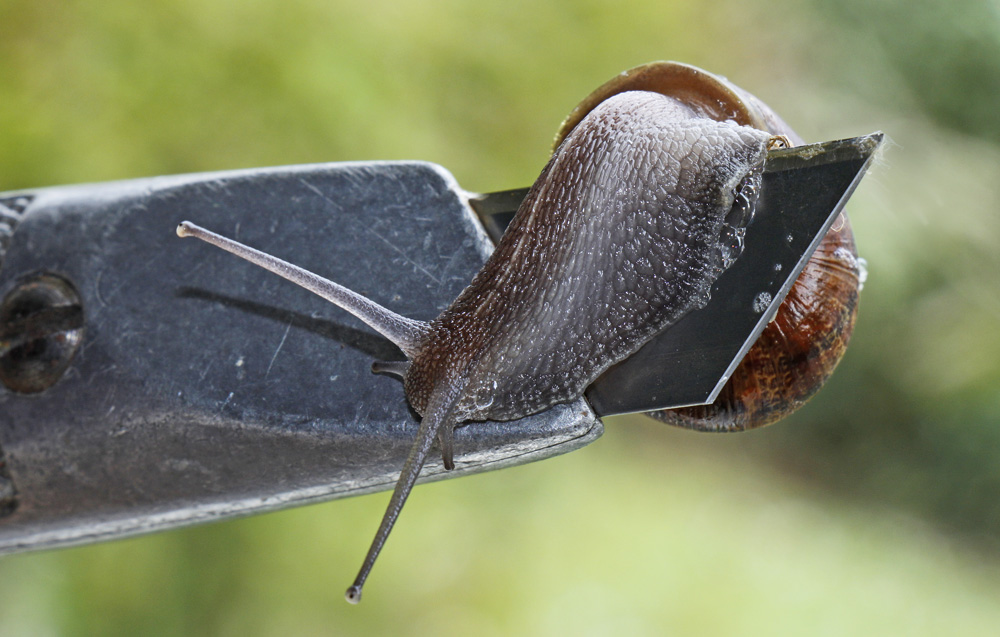
And here is one of those introduced snails that can cause a lot of damage to your garden: Cantareus Asperses, the Brown Garden Snail. It’s originally from Northern Africa and taken to France, a long, long time ago, it was introduced to NZ with European settlers. Troublesome eater of leaves etc in massive numbers; hiding under pots during the day and always more numerous than you think.
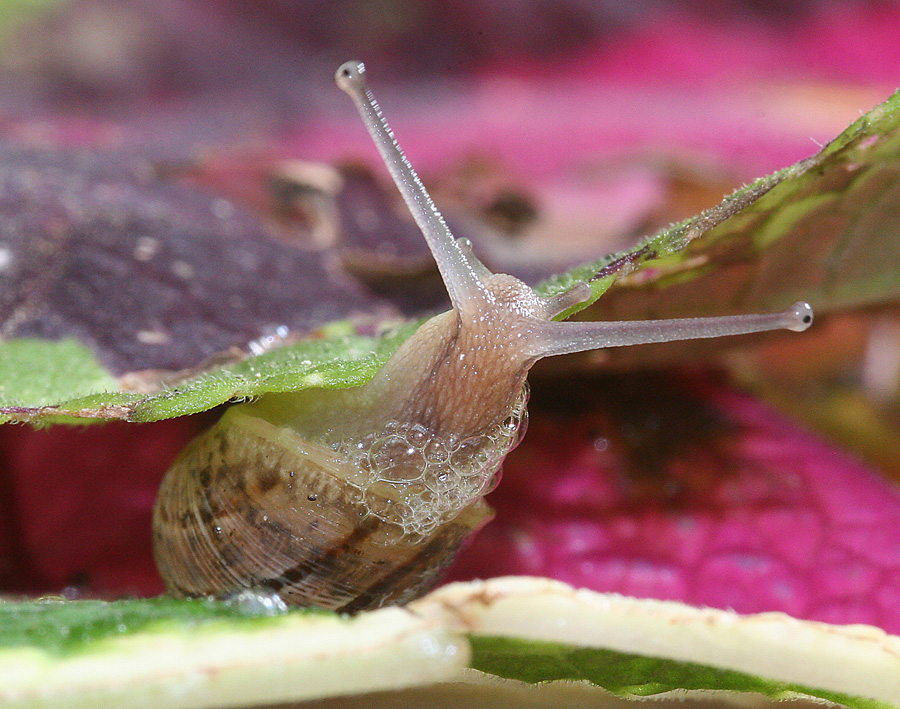
One of the so-called “control” measures is spreading sharp chicken eggshells around the plants, so that the snails can’t walk over those sharp items. This picture shows one of those snails crossing over a brand-new, super sharp knife…
One historical story is far more important than sharp knives: this snail species is one of the preferred snails that French people cultivate and use to create Escargot. Snail farming in New Zealand might not be a bad idea – it makes that protein a lot cheaper with the rising prices of our food!
LISTEN ABOVE
Take your Radio, Podcasts and Music with you
Get the iHeart App

Get more of the radio, music and podcasts you love with the FREE iHeart app. Scan the QR code to download now.

Download from the app stores


Stream unlimited music, thousands of radio stations and podcasts all in one app. iHeart is easy to use and all FREE