
The ongoing conflict in Iran has caused widespread travel disruption, leaving many Kiwis stranded in foreign countries as airspaces close and airports in key connecting hubs sustain damage.
What do you need to know if you have upcoming travel plans through or to places like Dubai and Doha from New Zealand, or are already overseas and due to return home?
The Herald answers some common questions from those travelling or looking to travel over the next few days and weeks, from safety and security to logistics and insurance.
What’s the latest?
As of Wednesday, Iran, Iraq, Lebanon, Syria, Yemen, Bahrain, Israel, Kuwait, Qatar, and the United Arab Emirates were all listed as Level 4 (Extreme risk to safety, security, or life) on SafeTravel’s travel alert list.
Jordan, Oman, and Saudi Arabia are at Level 3 - Avoid non-essential travel.
For those travelling to the United States (Level 2), MFAT’s advice is to still exercise caution and expect travel delays.
On Wednesday, an MFAT spokesperson confirmed it had activated a Coordination Centre in response to the developing situation in the Middle East.
New Zealanders requiring urgent consular assistance should continue to call the New Zealand 24/7 Consular Emergency Line on +64 99 20 20 20.
“If it is safe and possible to do so, New Zealanders should leave the region now,” an MFAT spokesperson said.
“We recognise that won’t be possible for everyone given significant airspace closures remain in place elsewhere. For New Zealanders in locations where this is the case, or where the security situation remains unsafe, we continue to recommend sheltering in place.”
Echoing statements from the Minister of Foreign Affairs Winston Peters, MFAT said it was “exploring all options to support New Zealanders in the region and are in close contact with other governments on their plans.”
It also stressed the quickest way for New Zealanders to return home would be commercial flights once they resume.
Emirates has posted an update on its website, saying all flights leaving and arriving at its Dubai airport hub remain suspended until 2359 UAE time on March 4, which is 8.59am on March 5, NZ time.
It’s operating a limited number of repatriation and freighter flights today, accommodating customers with earlier bookings as a priority.
They advise travellers to only go to Dubai airport if they have been notified directly by Emirates or hold a confirmed booking for the repatriation flights.
The latest updates will be published on the Emirates website and they advise customers to check flight status and their emails for any notifications about changes or cancellations.
Qatar Airways flights remain suspended due to the continued closure of Qatari airspace. The airline advises passengers to monitor the latest flight information via its website or mobile app.
Both airlines are experiencing high call times, so they request travellers to only call if you’re travelling within the next 48 hours.
Emirates customers affected by flight cancellations have two options - rebook on an alternate flight, or request a refund. However, refunds are currently only being offered for bookings on or before March 10.
Qatar Airways customers with confirmed bookings on or before March 10 are entitled to complimentary date changes of up to 14 days from the original travel date, or a refund of the unused value of your ticket.
“The New Zealand Government is in contact with airline representatives in the UAE and Qatar to seek urgent confirmation of the planned resumption and status of flights to New Zealand,” MFAT’s SafeTravel advisory stated on Wednesday.
“All airlines and airports are stressing that passengers should not proceed to the airport unless their airline has confirmed their specific flight is operating. This reinforces the need to stay in regular contact with your airline and travel agent.”
As of Wednesday, one Qatar Airways 777 and two Emirates A380s were parked at Auckland Airport.
“Auckland Airport is supporting those airlines with aircraft parking and operational assistance while services are paused and airlines work through their plans to resume flying.”
Other international flights are operating as scheduled.
What to do if you’re in the Middle East right now
In any major overseas crisis, your first point of reference should be the Government’s SafeTravel website (run by the consular division of the Ministry of Foreign Affairs and Trade). This provides up-to-date travel advice for those in countries in the midst of conflict or natural disaster.
“New Zealanders in affected areas should follow the advice of local authorities, including any ‘shelter in place’ advisories.”
Affected areas included Iran, Iraq, Lebanon, Syria, Yemen, Bahrain, Israel, Kuwait, Qatar, and the United Arab Emirates. Restrictions are also in place in Saudi Arabia.
In Dubai, a series of phone alerts have been sent out to provide updates on when to seek shelter and if there are immediate threats of danger.
In Qatar, people should only leave the home “if absolutely necessary,” according to the country’s Ministry of Interior.
“You should leave when it is safe and possible to do so. For a number of locations, we recognise this is not currently possible,” MFAT advises for countries in Level 4.
Only a small number of flights were leaving Dubai Airport as of Wednesday [see above], and flights out of Doha remained grounded. According to FlightRadar, Iran, Iraq, Kuwait, Israel, Bahrain and Qatar have closed their airspace, while neighbouring countries are also restricting flights.
New Zealanders living or travelling overseas should also register with SafeTravel, so they can be sent live updates about the places they are in.
It also provides a point of contact and communication for emergency situations, making the Government aware of who and how many people are currently in areas of conflict.
In some cases, the Government will arrange repatriation flights through Defence Force planes, as it did during the Iran-Israel conflict last year. This is yet to be announced.
MFAT said those in the Middle East currently should “be prepared to shelter in place if you are close to conflict zones”.
I have a flight booked that connects via a country with closed airspace. What should I do?
Travel Agents Association chief executive Julie White told RNZ’s Morning Report this week that airlines will currently be working to rebook affected travellers.
“We encourage anyone due to travel through the Middle East in the coming days to check directly with their airline or travel agent for the latest updates. Other international flights are operating as scheduled.”
MFAT’s advisory noted that the travel disruption now extends well beyond the Middle East region.
“Airlines that normally transit Middle East airspace to connect Europe and Asia face significantly longer routes and higher fuel costs, compounded by Russian and Ukrainian airspace also being closed to most carriers.”
Allianz Partners’ sales director – New Zealand, David Wallace, said those travelling in the coming weeks should expect disruptions and may need to adjust plans.
“Travellers affected by airport or airspace closures should contact their travel agent or airline as a first step, as they are best placed to advise on changing routes and options in a rapidly evolving situation.”
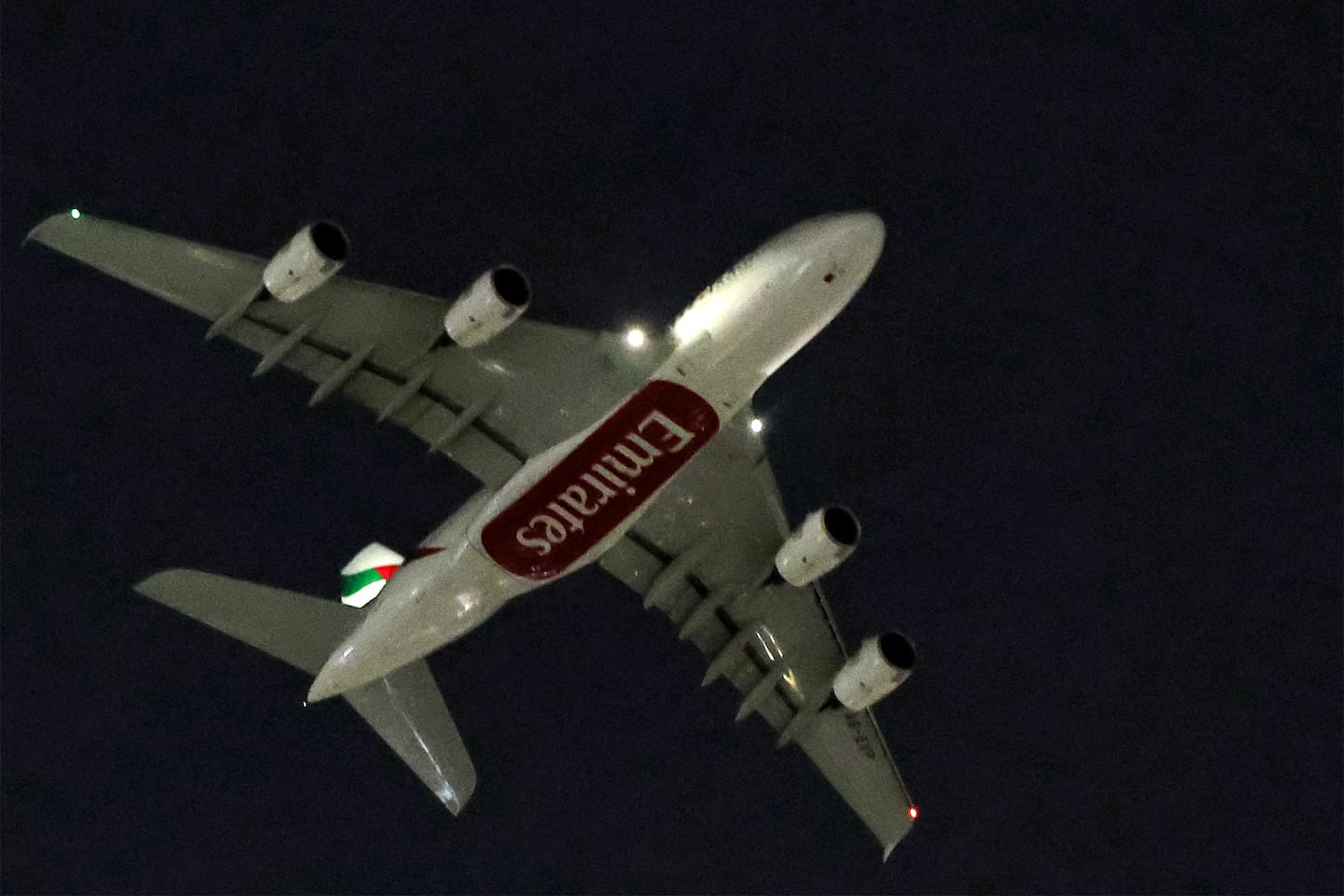
An Emirates Airbus A380 passenger aircraft takes off from Dubai International Airport in Dubai on March 2, 2026. Photo / AFP
Air New Zealand’s website states people can make one date change to travel within the next seven days with no penalty, service fee, or a standard fare difference.
Alternatively, they can opt to hold the full value of their fare as credit for 12 months from the date of issue if they choose not to travel.
Reroutes to avoid travel through the Middle East in the next seven days will not incur a penalty fee, service fees or fare difference.
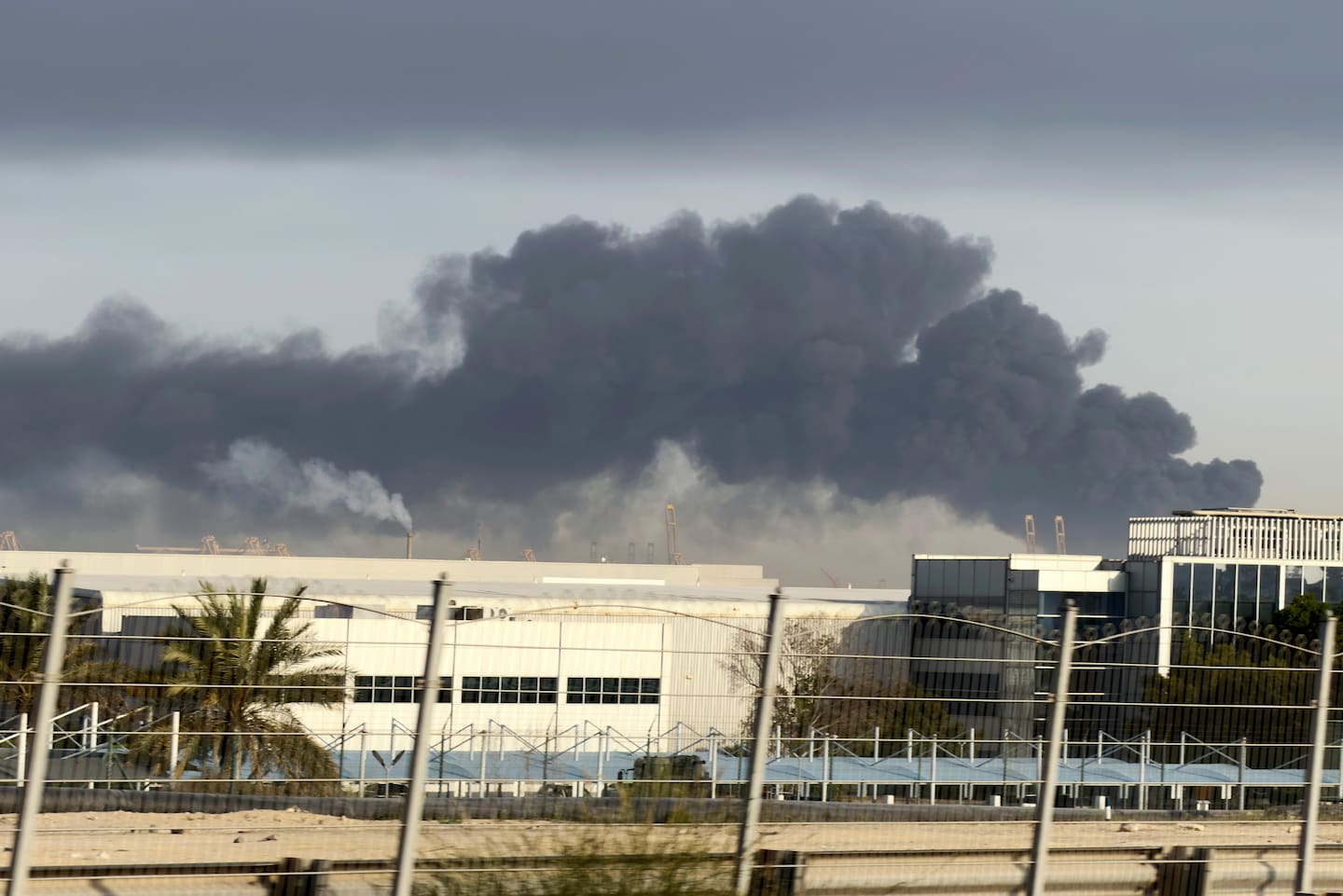
Smoke rises from Jebel Ali port after an Iranian missile attack in Dubai. Photo / Getty Images
Should I cancel my trip if it’s in a few weeks’ time?
Wallace says travellers who expect possible disruption are advised not to cancel immediately.
“Instead, they should first confirm whether their plans are directly affected and speak with their travel agent or airline to understand available options, including alternative routes, credits, or potential refunds.”
As noted in official advisories, the situation is changing day by day. People should monitor their travel situation while checking the SafeTravel website and following advice from airlines and travel agents.
What about travel insurance? And what are my rights if my flight has been cancelled?
Wallace says passenger rights following a flight cancellation depend on the airline’s ticket conditions and fare type.
“Travellers should check directly with their travel agent or airline, as they can confirm what applies in each case. Some airlines may be offering added flexibility in response to the conflict, so it’s important to understand your options before making any changes or decisions.”
He also noted that most travel insurance policies in New Zealand do not cover direct or indirect losses arising from war or warlike operations, whether war is declared or not.
For Allianz customers already overseas, the company will automatically extend cover for additional travel time, and emergency assistance remains available 24/7.
Consumer NZ CEO Jon Duffy says those who have purchased any kind of travel insurance should check their policy to see if they can make a claim under that.
“However, claims arising as a result of war, hostilities or military action are usually excluded.”
Mitchell Hageman joined the Herald’s entertainment and lifestyle team in 2024. He previously worked as a multimedia journalist for Hawke’s Bay Today.
Take your Radio, Podcasts and Music with you
Get the iHeart App

Get more of the radio, music and podcasts you love with the FREE iHeart app. Scan the QR code to download now.

Download from the app stores


Stream unlimited music, thousands of radio stations and podcasts all in one app. iHeart is easy to use and all FREE