

A parliamentary select committee tasked with researching how New Zealand could reduce social media harm among kids says the Government should consider installing a social media regulator.
The committee’s interim report, released today, also urges the Government to consider whether online advertising for things like alcohol should be restricted for teens.
The long-standing issue is politically pertinent, with two members’ bills addressing social media harms before the House and Australia today introducing a world-first social media ban for kids under 16.
New Zealand will be watching closely the roll-out of the ban across the Tasman, which includes a hefty fine ($56.8 million) for firms that don’t weed out ineligible users. Australia’s ban captures popular apps Facebook, Instagram, TikTok, X (formerly Twitter) and some elements of YouTube.
Education Minister Erica Stanford said the select committee’s interim report and findings appeared, at least at first glance, to align with her own views. That report recommends the Government look at:
- Restricting access to social media platforms for under-16s;
- Regulating deepfake tools (which can be used to produce fake sexualised images using a person’s likeness) in New Zealand;
- Whether current legislation is fit for purpose;
- Introducing a national regulator – this could introduce additional requirements for firms and address non-compliance or complaints among firms and parents;
- What role the Government should play in designing online platforms;
- Whether there is a need to restrict online advertising of harmful products, such as alcohol, tobacco, and gambling, for under-18-year-olds;
- The level of responsibility parents should have in protecting their kids from online harm;
- The level of liability online platforms should have for harmful content hosted through their services.
The report’s recommendations were based on the majority support from the nine-person cross-party panel.
Although in agreement that something needed to be done about the real and significant harm young people faced online, the Act Party said New Zealand needed to avoid a “knee-jerk” response that could push young internet users to unregulated corners of the internet.
The committee’s inquiry was initiated by Act MP Dr Parmjeet Parmar. The party said the report leaned “heavily into recommendations on policy options”, which it said was “premature and risks compromising the quality and integrity of the final report”.
The party raised concerns about the report’s “premature signalling of strong support for significant new interventions, such as the establishment of a national regulator or an age-based social media ban”.

The committee’s inquiry was initiated by Act MP Dr Parmjeet Parmar. Photo / Alex Burton
This analytical gap was made more concerning by the report’s premature signalling of strong support for significant new interventions, such as the establishment of a national regulator or an age-based social media ban, Act said.
Labour broadcasting and media spokesman Reuben Davidson has drafted an alternative social media safety bill to what has been proposed by Government MPs.
He said some of the report’s recommendations were “excellent” and were also features of his own bill, such as creating a regulator to monitor social media and improve safety, and making it easy for users to see the details of the algorithms behind their social media platforms.
“We should be doing all we can to make online platforms safer for everyone.”
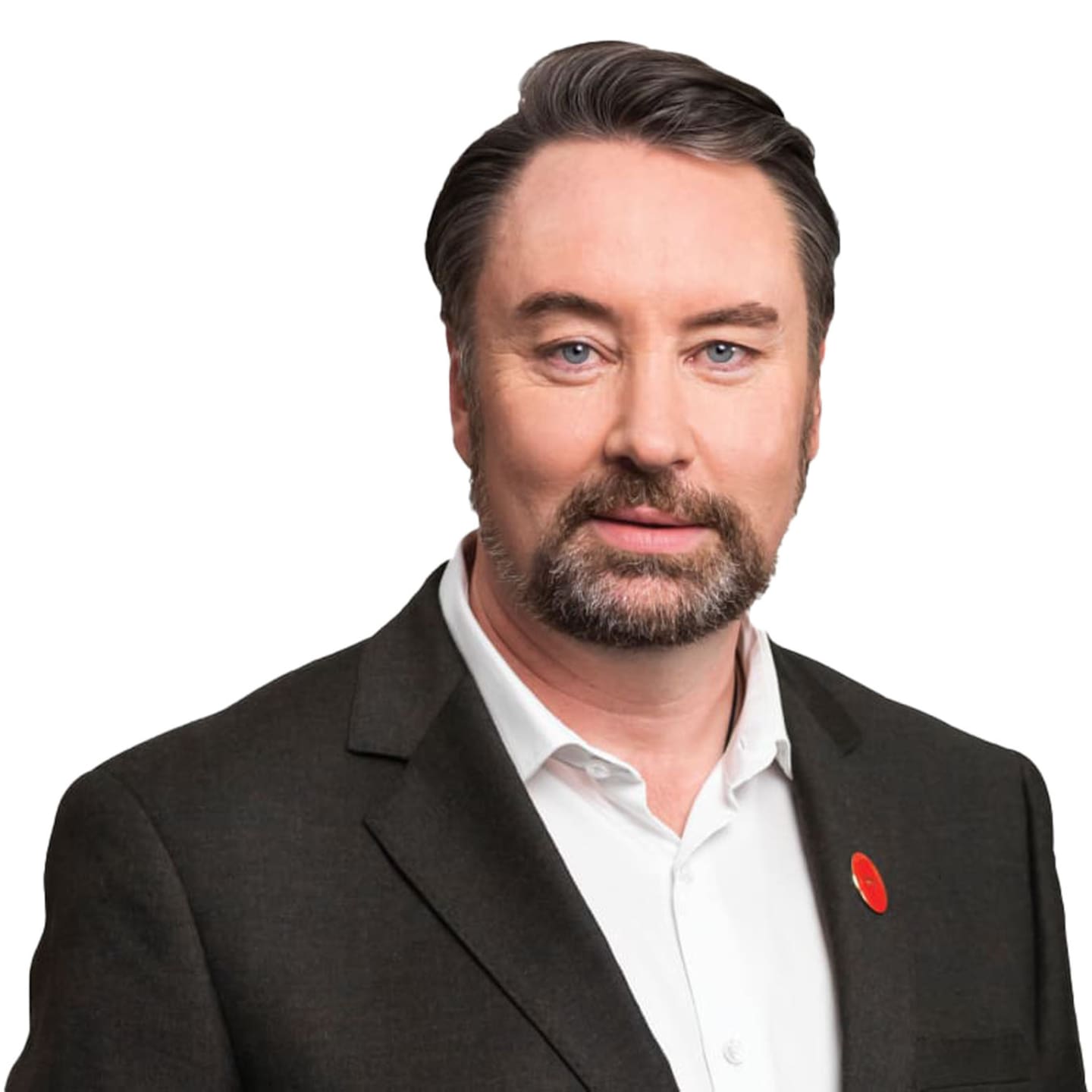
Labour's Reuben Davidson says New Zealand "should be doing all we can to make online platforms safer for everyone".
Stanford, the Education Minister, told reporters at Parliament today that New Zealand was in the “fortunate position” of being able to watch and learn from Australia’s roll-out.
“We watch very closely what happens in Australia ... but we have nothing. We don’t have an online child protection act, we don’t have a regulator, we have nothing. So it’s a good place to be and a bad place to be,” she said.
These mechanisms would help change the behaviour of social media companies rather than an outright ban, she said.
“What are you doing to protect our kids’ data, what are you doing about algorithms, what are you doing about harmful material?”
Julia Gabel is a Wellington-based political reporter. She joined the Herald in 2020 and has most recently focused on data journalism.
Take your Radio, Podcasts and Music with you
Get the iHeart App

Get more of the radio, music and podcasts you love with the FREE iHeart app. Scan the QR code to download now.

Download from the app stores


Stream unlimited music, thousands of radio stations and podcasts all in one app. iHeart is easy to use and all FREE


