

The Health Minister has rejected accusations he doesn't understand the New Zealand public system and provided context to Health NZ's modelling, which claims meeting proposed planned care targets would cost $723 million over two years.
The figure was revealed through Official Information Act documents, which showed a briefing document to Health Minister, Shane Reti that gave advice around proposed targets to cut down the length of time people spent waiting for first specialist appointments and treatment.
Talking to Newstalk ZB this morning, Christchurch colorectal surgeon Chris Wakeman said his industry was a mess and expressed doubts over Reti's understanding of how the sector operated within New Zealand.
"The last health minister was a doctor and just as bad - Shane Reti has come from a very Americanised system, so he hasn't worked in the New Zealand public [system]," he told Hosking.
"Yes he is a doctor, but he hasn't worked in the hospital system for a long time, so I'm not sure he understands how the system work."
Newstalk ZB Plus approached Reti with Wakeman's concerns over his credentials, to which Reti said he'd travelled extensively to hospitals across the country since becoming Minister at the end of last year.
He said he "really valued" the open, free and frank conversations he'd had with clinicians regarding the health sector and their individual experiences within their particular fields of practice.
"Connecting with our health workforce is important to me, and I have received positive feedback from the health sector about these engagements," he said.
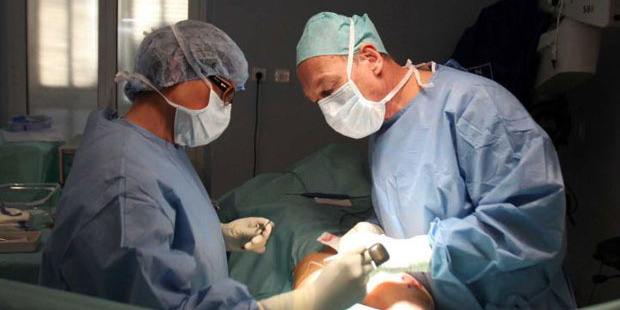
The $723 million figure to cut down wait times was based on a formula that multiplied the cost of a first specialist appointment, and of a treatment, by the volume required to reach the target option specified.
Reti said Health NZ is currently undertaking a more detailed modelling of the work required.
However, the figure was called an educated guess by former Health NZ chairman, Rob Campbell - who told Hosking this morning that the number couldn't be relied on and it would be "ridiculous" to put a specific amount to the changes.
Hosking asked if the problem was a lack of funding or a lack of theatres and staff. Campbell insisted it was the latter, claiming there was a backlog of staffing issues which the same people had failed to resolve under the previous Government.
"There are good things about targets and there are difficulties with them. Sometimes, if you set a target and you set out and achieve that target, the issue is 'what don't you do' in order to achieve [it]," he said.
"And what will not be achieved here is we're not doing enough keeping people out of the hospital not needing the hospital, in order to deal with the operations"
Campbell said increasing evidence pointed to the fact that the earlier that Governments invest in their health sector's process, the better results and "bang for your buck". He said "earlier is better" should be the principle the Government follows when cutting down wait times.
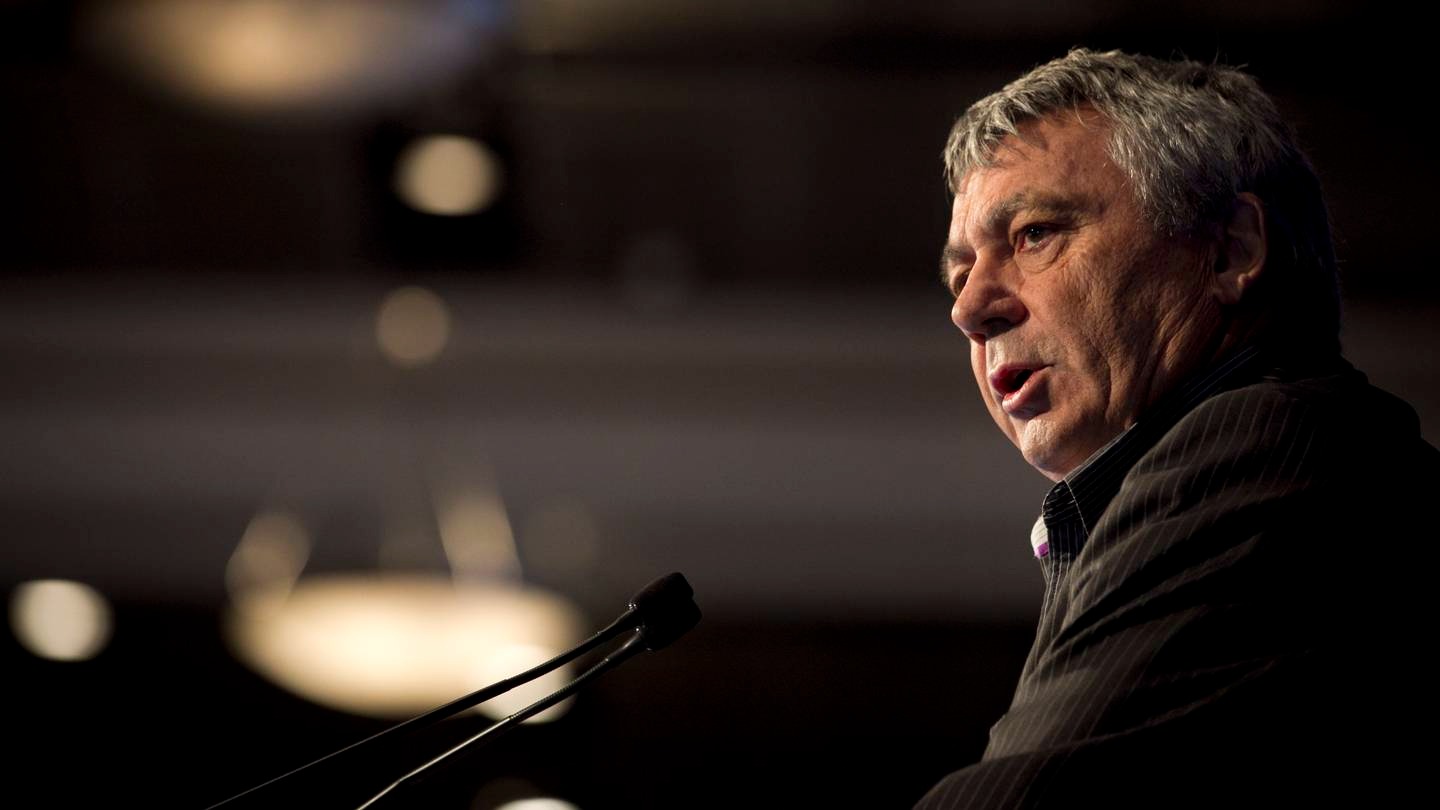
Hosking asked why the Government wouldn't invest more in GPs at the start of a person's health process.
"Well, good God knows," said Campbell who claimed there were two main reasons, the first being Te Whatu Ora and Health NZ are both hospital-driven agencies.
He said former DHBs were also strongly hospital-driven, which formed the culture that hospitals are at the centre of it all and Campbell said it needed to be dealt with.
"The second thing, it's the most obvious bit, it feels like if you build a theatre and do a certain number of operations, you feel as though you've achieved more if you're a politician," he told Hosking.
"It's a little harder to show because it takes longer than investing in it earlier."
Reti told ZB Plus he recognised that GPs were the cornerstone of the health system and provided vital care for patients.
As a GP himself, Reti said he was aware general practice specialists are facing pressures around the workforce and funding.
"Health NZ has acknowledged that the current capitation funding system for general practice has limitations," he said.
"[It] has assured me that they are committed to working with general practice to deliver a fit-for-purpose funding model that both supports them and enables the delivery of high-quality health care to all New Zealanders."
Reti said last year, Health NZ commissioned a review of the model of care and funding for primary care and urgent care. This work is estimated to be finished in 2024.
Take your Radio, Podcasts and Music with you
Get the iHeart App

Get more of the radio, music and podcasts you love with the FREE iHeart app. Scan the QR code to download now.

Download from the app stores


Stream unlimited music, thousands of radio stations and podcasts all in one app. iHeart is easy to use and all FREE