


WARNING: This story is about suicide
Liam Booth walked a troubled path, which came to a tragic end in a park.
The 21-year-old had a life marked by difficulties and, by the age of 10, he was “acting out” in the family home.
He displayed behavioural difficulties, including hitting, yelling, swearing, slamming doors, throwing things and nighttime-only bedwetting.
He had variable lowered moods, poor self-belief, a sensitive temperament, was demanding of attention, impulsive, and threatened to kill himself.
Now, Coroner Bruce Hesketh has found the young man took his own life in a Christchurch park on October 2, 2017.
In findings released today the coroner has made recommendations that have been implemented following a review of mental health services.
Booth’s death sparked calls from his father, Geoffrey Booth, for an inquest on the grounds his son should have received better care from the Canterbury District Health Board (CDHB) mental health and addiction services.
Booth told a hearing in 2022 that his son needed more support in the time leading up to his death.
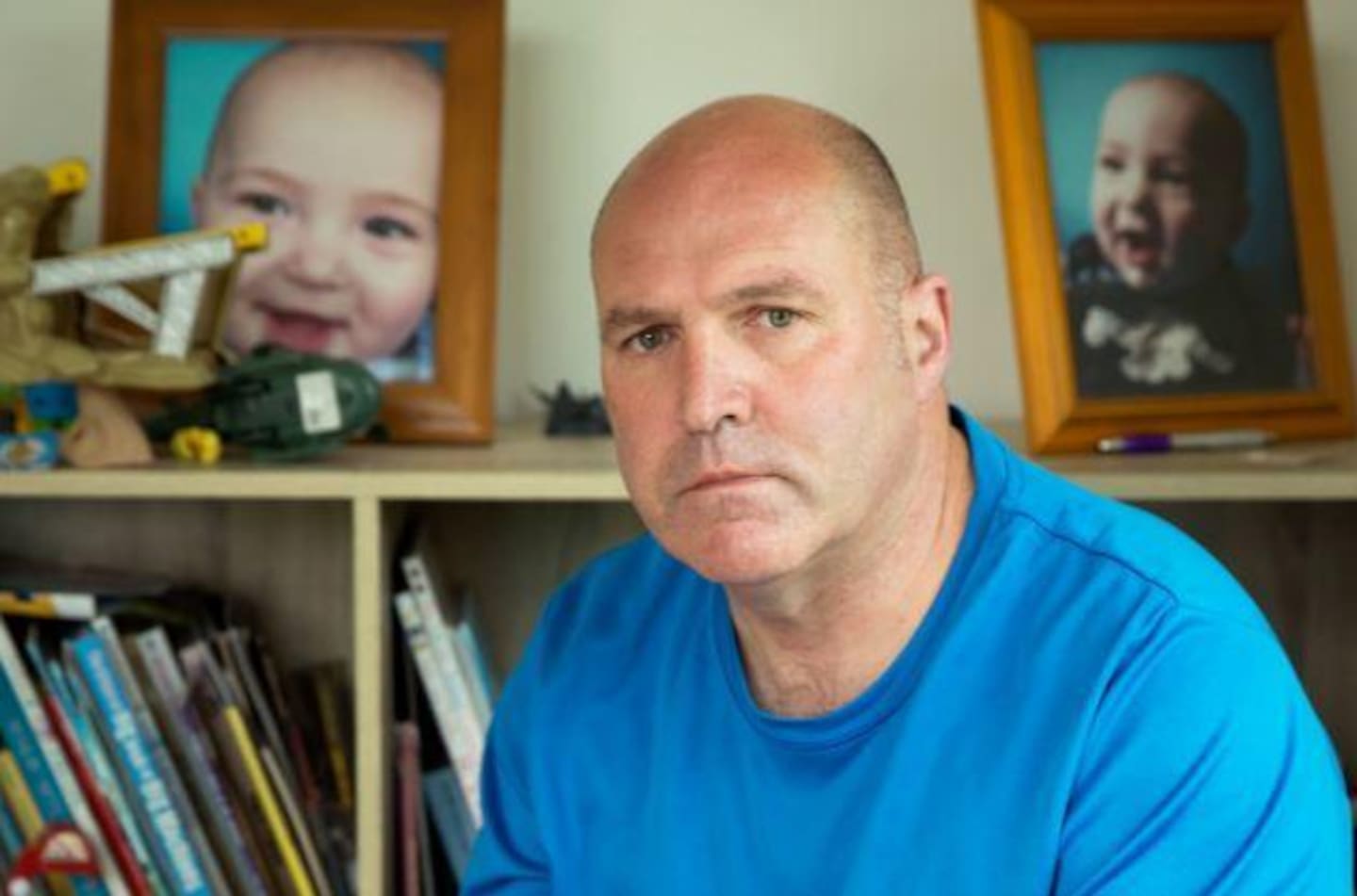
Geoffrey Booth gave evidence at the 2022 inquest into the death of his son, Liam Booth. Photo / Martin Hunter
He had been acting impulsively since he was a child and had attacked his parents and siblings on multiple occasions.
He was diagnosed with Oppositional Defiance Disorder (ODD) when he was 12 and had a level of violence in the family home which required police intervention.
He was further assessed when he admitted to an escalating use of illicit drugs in 2016 as a 20-year-old.
Booth had left home and was using cannabis most days of the week, had used methamphetamine and regularly used MDMA, ketamine and fentanyl.
He was diagnosed with having polysubstance abuse.
By September 2017, things had further escalated as he regularly sought help from his father who called on mental health services for assistance.
His father called police on September 14, when Booth told him in a phone call that he was considering suicide, and that he was at Halswell Quarry in Christchurch.
Police found him and he agreed to go with them to the hospital.
His father said he was called by a psychiatrist who had assessed Booth as being “low to no risk” and that he was not going to be kept at the hospital.
But he considered it was a turning point as the quarry incident was a genuine effort by Booth to end his life.
Less than three weeks after the incident, Booth was found dead in a park near his Beckenham home.
Coroner Hesketh found more should have been done by the CDHB to share information with Booth’s family and that they should have been included in his discharge planning.
Booth’s presentation on September 14 was not the last opportunity for the CDHB to intervene, the coroner found.
The CDHB undertook a review following his death to determine underlying contributing factors and identify ways to improve systems.
It was concluded assessments met standards and there was clear documentation, but that an opportunity to have a collaborative plan with Geoffrey Booth had been missed.

Liam Booth.
There was regular communication between staff, Booth and his father, and evidence that treatment options were discussed, but no clear evidence family were involved in the discharge plan.
The review found there were difficulties in contacting Booth which were possibly impeded by communication methods and CDHB policies.
It was also found that his family may have benefited from more information about support and ongoing education on how to cope with Booth’s presentations.
At the conclusion of the review, the CDHB chief of psychiatry and director of area mental health services wrote to Geoffrey Booth and enclosed a copy of the report with an apology because his son had died while under the care of the mental health service.
Coroner Hesketh adopted recommendations set out in the review, which included assurance that treatment and discharge policy planning be followed and that support information for family be included in the Canterbury Suicide Prevention Initiative and family information packs.
The coroner added a recommendation that Health New Zealand Canterbury (as the CDHB is now called) clarify with patients, as soon as it is deemed appropriate to do so, whether consent is granted to disclose care and treatment plans to family members.
“If it is, as was the case here, then it is imperative the family or family representative involved is kept updated with treatment plans and provided the opportunity to have input.”
The recommendations were given to Health New Zealand Canterbury for consideration.
“I am satisfied the three recommendations have been adequately addressed by Health New Zealand Canterbury,” the coroner said.
Coroner Hesketh acknowledged there had been improvements in specialist mental health services processes and procedures following the review.
“I extend my deepest condolences to Liam’s family and friends.”
SUICIDE AND DEPRESSION
Where to get help:
• Lifeline: 0800 543 354 (available 7am to midnight)
• Suicide Crisis Helpline: 0508 828 865 (0508 TAUTOKO (available 24/7)
• Youth services: (06) 3555 906
• Youthline: 0800 376 633
• What's Up: 0800 942 8787 (11am to11pm)
• Depression helpline: 0800 111 757 (available 24/7)
• Rainbow Youth: (09) 376 4155
• Helpline: 0800 000 053
• Samaritans crisis helpline: 0800 72 66 66 (available 24/7)
• Aoake te Rā- bereaved by suicide service : 0800 000 053
If it is an emergency and you feel like you or someone else is at risk, call 111.
Al Williams is an Open Justice reporter for the New Zealand Herald, based in Christchurch. He has worked in daily and community titles in New Zealand and overseas for the last 16 years. Most recently he was editor of the Hauraki-Coromandel Post, based in Whangamatā. He was previously deputy editor of the Cook Islands News.

Take your Radio, Podcasts and Music with you
Get the iHeart App

Get more of the radio, music and podcasts you love with the FREE iHeart app. Scan the QR code to download now.

Download from the app stores


Stream unlimited music, thousands of radio stations and podcasts all in one app. iHeart is easy to use and all FREE