

For many, the summer holidays are a time to connect as family, but for the country’s northernmost Women’s Refuge, it is the busiest time of the year.
Whare Timatatanga Hou Ora Kaitāia Women’s Refuge chief executive Waimaria Veza said staff had been preparing for a surge in demand since October.
She expects the refuge’s two safe houses to be at capacity until the end of January.
“It is a busy time for us,” Veza said, adding that other northern region refuges were also expecting demand to increase over the festive season.
The seven Kaitāia refuge staff cover an area from Kāeo to the east, Mitimiti in the west, past the Mangamukas and all the way to Cape Rēinga.
The increase in demand was partly because of other providers closing over the busy period, Veza said.
Other drivers were the surge in population over the summer as visitors came to the region.
Drinking and overcrowding led to rising tensions, she said, adding that all sorts of things could ignite family violence.
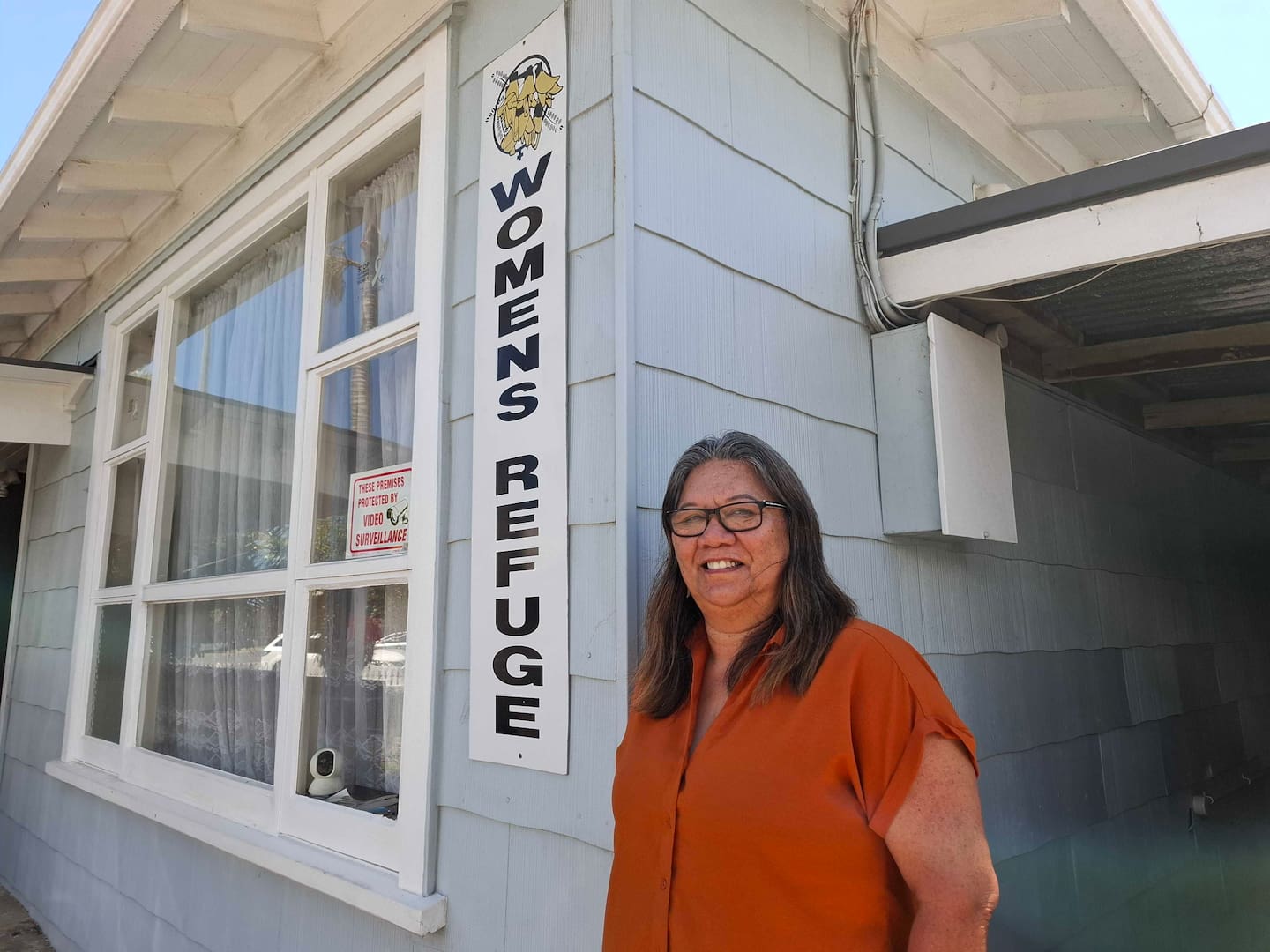
Kaitāia Women's Refuge chief executive Waimaria Veza says vulnerable people will be arriving on their doorstep thick and fast during the summer holiday period. Photo / Brodie Stone
“We might get a report and it will say a family harm incident happened because they’ve run out of food.
“There’s a lot of expectation on families, parents or caregivers to provide what is required at Christmastime.”
Any woman who walks through the door of the refuge is provided with a risk assessment and a safety plan with the tools to make a safe escape.
“We never encourage them to leave a relationship; that’s a decision they make on their own,” Veza said.
For women in remote areas, safety plans could include encouraging them to get to know their neighbours, having a second phone, or cutting spare keys.
“It might even go as far as having a bag packed.
“It’s just letting them know, ‘We’re here, you have somewhere to go,’ because a lot of them won’t leave because they don’t know where to go.
“We have to ensure we have things like petrol vouchers because some of the need is like ‘I’ve gotta get out of here, I need to leave tomorrow.’”
Partnerships with other organisations ensured women had what they needed to either escape or help to prevent abuse in the home.
Organisations such as the Bald Angels supplied food parcels, while others as far away as Auckland donated presents for women with children.
“We’ve delivered food, and families have cried. They’re like, ‘You just don’t know how much of a difference you have made in our lives today.’”
Making a difference in someone’s life was a privilege, Veza said.
She had noticed during her 21 years with Women’s Refuge how the organisation had switched from being the ambulance at the bottom of the cliff to the “fence at the top”.
She believed more people were reporting family harm, and there was less stigma.
“I think it was always like this, but I think there’s more awareness around it, and so they’re more likely to ring up for help and more likely to report it.”
During winter, the refuge might only have one woman turn up in a day.
“I just say, ‘Hey, if we’ve made the difference in one family’s life, then we’ve done well today.’”
FAMILY VIOLENCE
How to get help: If you're in danger now: • Phone the police on 111 or ask neighbours or friends to ring for you.
• Run outside and head for where there are other people. Scream for help so your neighbours can hear you.
• Take the children with you. Don't stop to get anything else.
• If you are being abused, remember it's not your fault. Violence is never okay.
Where to go for help or more information:
• Women's Refuge: Crisis line - 0800 REFUGE or 0800 733 843 (available 24/7)
• Shine: Helpline - 0508 744 633 (available 24/7)
• It's Not Ok: Family violence information line - 0800 456 450
• Shakti: Specialist services for African, Asian and Middle Eastern women and children.
• Crisis line - 0800 742 584 (available 24/7)
• Ministry of Justice: For information on family violence
• Te Kupenga Whakaoti Mahi Patunga: National Network of Family Violence Services
• White Ribbon: Aiming to eliminate men's violence towards women.
Brodie Stone covers crime and emergency for the Northern Advocate. She has spent most of her life in Whangārei and is passionate about delving into issues that matter to Northlanders and beyond.
Take your Radio, Podcasts and Music with you
Get the iHeart App

Get more of the radio, music and podcasts you love with the FREE iHeart app. Scan the QR code to download now.

Download from the app stores


Stream unlimited music, thousands of radio stations and podcasts all in one app. iHeart is easy to use and all FREE


