


WARNING: This story details sexual abuse and may be distressing for some readers.
It is not uncommon to hear in court that a person who has sexually offended was abused as a child. But what makes one victim go on to abuse while others avoid ever imposing the same pain they suffered on someone else? Tara Shaskey reports.
When Neil Harding considered lifting the name suppression that had protected him for years, his fear wasn’t that people would learn the trauma he had endured as a child.
It was what they might assume about him once they did.
“I was warned by someone I respected to be careful. They said, ‘if you stick your head above the parapet, people will want to shoot it’.
“I took that advice really seriously.”
Harding, a survivor of sexual abuse at Auckland’s Dilworth School, feared the stigma that someone who has been abused might themselves become an abuser.
The father of three, and now grandfather of four, had spent decades coaching children in football, cricket and squash.
He was concerned that, despite his own hands being clean, people would treat him differently and question their children having been around him in his earlier coaching days.
But his concern soon gave way to conviction.
“I’m not going to not do it out of fear of what people think,” he says.

Neil Harding, a former Dilworth School student who was abused in 1977 by former teacher and assistant headmaster Ian Wilson. Photo / Michael Craig
“I looked back and thought, if I stick my head ‘above the parapet’, is there anyone from my past that’s going to put their hand up and say ‘him’.
“And I thought, ‘nah, I’m fine’. I’ve got nothing to hide. I’m accountable for everything I’ve done. I’ve got nothing that is going to come out as a surprise. So I decided to proceed.”
Harding, driven by the desire to “break the silence” and to put a face to the sexual abuse suffered by countless former Dilworth students, had his automatic suppression lifted by the Royal Commission in 2020 and then by the court in 2021.
He says the experience of abuse shaped him, but did not determine him.
“The fact that I’ve been able to overcome those traumas in a way that I haven’t repeated those traumas, it doesn’t mean I’m not damaged.”
And research shows that his experience is far from unique.
Distorted views and childhood adversities
Gwenda Willis, an associate professor at the University of Auckland and a clinical psychologist with expertise in forensic and correctional psychology research and practice, says studies indicate that while survivors of sexual abuse are more likely than the general population to experience mental health challenges, addiction or trauma-related difficulties, the majority do not go on to commit sexual offences.
Willis says risk is often compounded by multiple adversities in childhood, including abuse, neglect, household dysfunction and instability, rather than by sexual abuse alone.
Sometimes, survivors can have a skewed understanding of what love is, a pattern Willis has seen across people, where the only person they felt they got attention from or they had a connection with as a child, was someone who was abusing them.
“You can see how that can really distort someone’s understanding of sex and sexuality.”
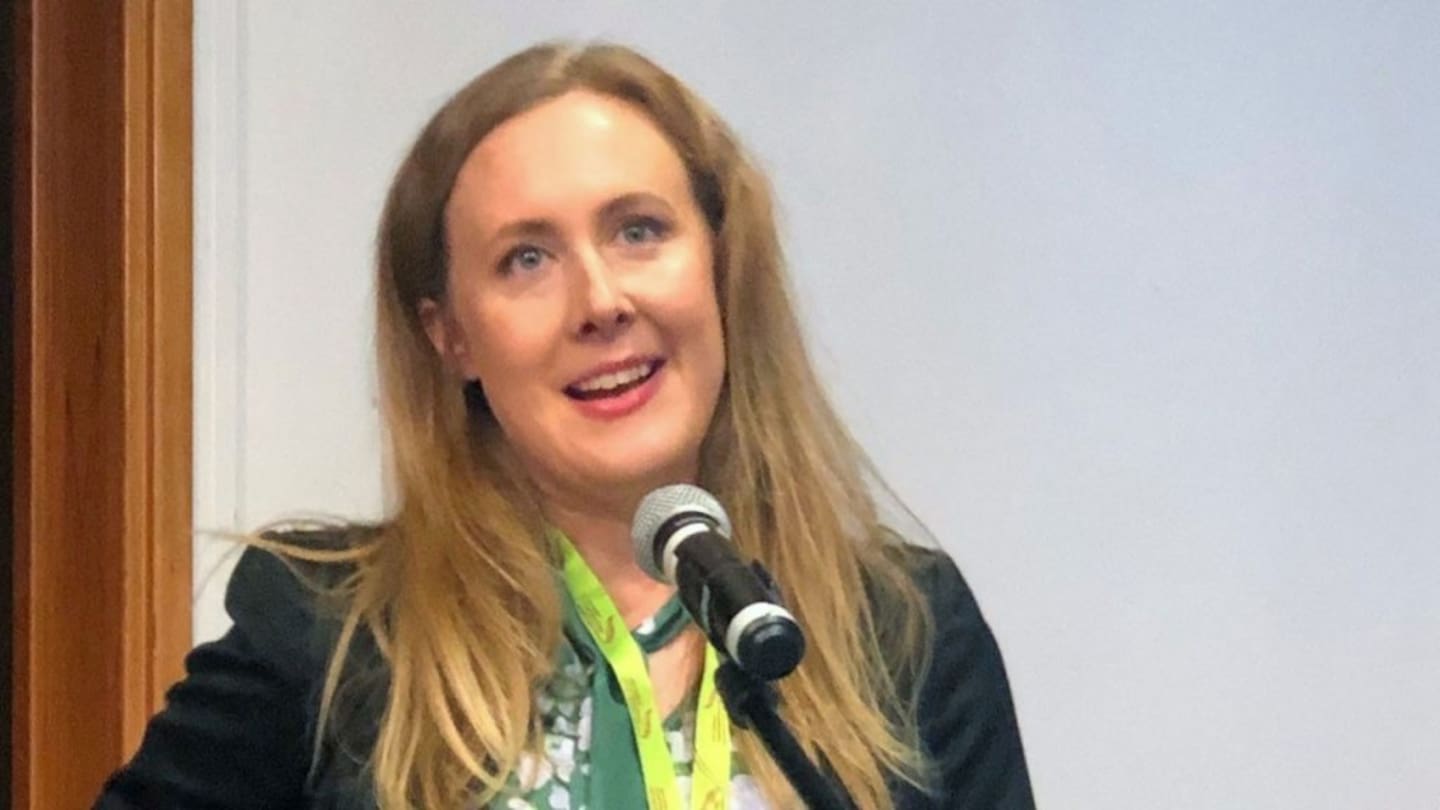
Dr Gwenda Willis says research shows that the majority of sexual abuse victims do not go on to commit sexual offences. Photo / University of Auckland
Harding reflects on these realities with a level of empathy, acknowledging that some survivors, including those of the Dilworth abuse, do become perpetrators.
NZME understands that at least one Dilworth victim who has gone on to offend is now serving time in the same prison as one of the Dilworth abusers.
“And how am I with them? They were victims first. So now, who are they? Are they perpetrators or are they victims?”
He emphasises that the cycle of abuse is complex, and that understanding someone’s life story can provide context, but never excuses harmful behaviour.
For Harding, the key to stopping abuse lies in prevention, and support for children who have already been harmed.
He stresses that society needs to “cotton wool” children by providing safe, stable environments at home, in schools, and in interactions with social services and the justice system.
This requires co-ordinated responses so children receive timely protection and support before abuse can have long-term consequences.
“When you damage a child’s neurodevelopment, all sorts of stuff happens,” he says.
“This is why the work is so important. Our children need to be protected.”
Why early intervention is key
Willis echoed Harding, emphasising the role of early intervention.
“The sooner you can provide someone with support, the more likely it is they are going to be able to benefit from that and be able to adjust and go on to live adaptive, healthy, fulfilling lives,” she says.
But abuse often goes unreported, or some survivors do not reveal they were abused until they are older.
This leaves them entering adulthood carrying unaddressed trauma that could contribute to harmful behaviours.
Willis says anecdotally, people convicted for sexual offences who were abused themselves often don’t reveal this until they come through the justice system and arrive in a rehabilitation programme as part of their sentence.
She says such programmes can reduce the likelihood of reoffending and help survivors build lives free from violence.
Sometimes, childhood abuse comes to light earlier in the justice process and may be considered as a mitigating factor in sentencing.
Both Harding and Willis acknowledge that in some circumstances, it is appropriate to take prior trauma into account, not as an excuse for offending, but as context that may inform rehabilitation and sentencing.
Willis also points out that recognising the link between past victimisation and offending must be handled carefully.
“We want to be careful not to create any stigma that could stop [others] from seeking help when they need it,” she says.
“If there is that stigma, then [others] who have had their own experiences of abuse might internalise that and see themselves as this person who is destined to offend, and that’s really unhelpful.”
How the justice system recognises abuse
Nathan Bourke, a New Plymouth defence lawyer, says, in his general experience representing people charged with sexual offences, that it is not uncommon for offenders to have a history of trauma, including childhood sexual abuse.
He explains that the court’s role is to understand the causal link between past trauma and offending.
Proving that link requires evidence, usually through psychological assessments and background reports, Bourke adds.
“If there is evidence that a defendant’s own history of being abused has contributed to their offending, then this has the potential to impact their sentence and should be identified to the court.
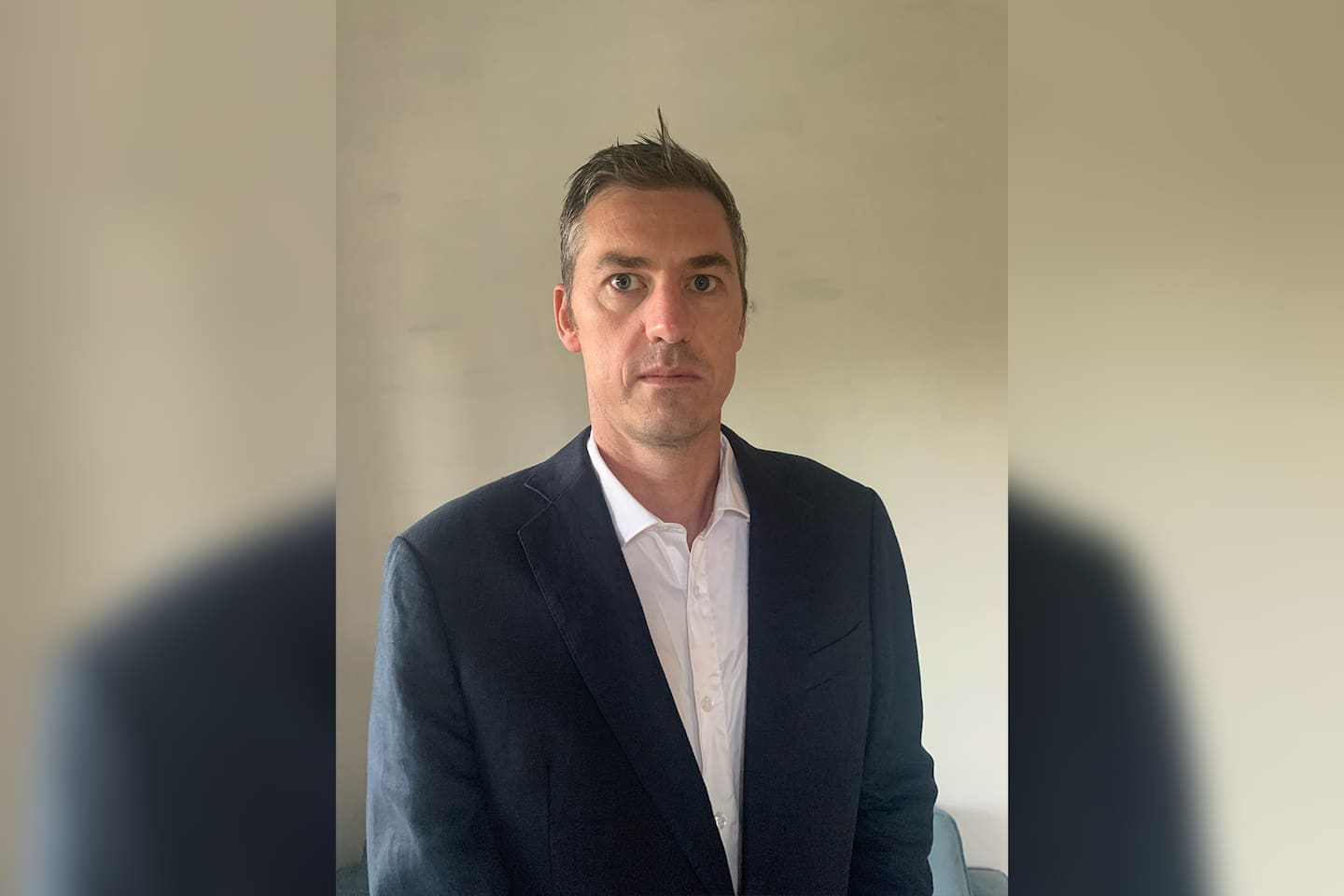
Defence lawyer Nathan Bourke says that in his experience in representing sexual offenders, it is not uncommon for them to be victims of sexual offending themselves.
“Where there is such evidence, in my experience, the sentencing court will recognise it as a relevant factor, but it is important to note that the suffering of prior abuse isn’t seen as an excuse for the offending, rather it helps to understand why the offending occurred and is relevant to issues such as culpability.”
Bourke says there is no blanket rule, and victims react and respond in different ways.
“It would be inappropriate for a court to conclude that, because others who have been sexually offended against in their life do not go on to offend, this minimises or delegitimises the situation where someone has gone on to offend and vice versa.”
Recent amendments to the Sentencing Act provide that discounts for mitigating factors, including background trauma, should not exceed 40%.
However, judges retain discretion to go beyond this if limiting to 40% would be manifestly unjust.
Bourke says that in practice, where the offending is grave, as it sometimes will be for serious sexual offending, the court may limit the available discount and prioritise deterrence and denunciation.
In October, he represented a Taranaki man who raped and sexually violated his daughter when she was primary-aged, every second weekend for 12 months.
The man, who cannot be named, was sentenced to 12 years and nine months’ imprisonment on two admitted representative charges.
At his sentencing, Bourke acknowledged the offending was grave and accepted the aggravating features.
He argued in mitigation that his client, who claimed to be remorseful, had substance abuse issues and had suffered his own “unfortunate and sad upbringing”, which included sexual abuse.
Bourke submitted that there was a causal link between the man’s abuse and his offending.
The recently-retired Judge Gregory Hikaka said at the sentencing that an offender having been abused themselves was generally presented as reducing the culpability, but it sometimes could be seen as an aggravating factor.

Judge Gregory Hikaka, now retired, said at a recent sentencing that it was often difficult to assess the link between abuse and sexual offending.
It was often hard to assess the link between the abuse and the offending, he said, because for many, it would be expected that they would never abuse others in the way they had been abused.
“Particularly someone who looked to you in a trusting way to care for them, and that wasn’t the case,” Judge Hikaka said to the man.
“You’re actually presenting a scenario that, because it happened to you, it somehow excuses you from behaving in an even worse fashion.”
However, based on reports provided to the court, Judge Hikaka accepted there was a causal link in the case and allowed a 5% discount for the man’s background.
The judge said a report outlined that the man’s predisposing factors to the offending included childhood violence, sexual abuse, substance abuse, insecure attachment patterns and trouble with emotional regulation.
It underscores how trauma can shape lives, but Harding’s experience shows that surviving abuse also doesn’t have to determine someone’s path.
Now, it has been five years since his name suppression was first lifted, and his abuse has regularly been publicised as he continues to fight for justice for Dilworth survivors.
Harding’s reality has been much different from what he initially feared.
He says he has not suffered any stigma attached to what he has experienced.
“I think what I did [lifting suppression] was really important; it needed to happen. And I don’t think I’ve been treated any differently.”
SEXUAL HARM
Where to get help:
If it's an emergency and you feel that you or someone else is at risk, call 111.
If you've ever experienced sexual assault or abuse and need to talk to someone, contact Safe to Talk confidentially, any time 24/7:
• Call 0800 044 334
• Text 4334
• Email [email protected]
• For more info or to web chat visit safetotalk.nz
Alternatively contact your local police station - click here for a list.
If you have been sexually assaulted, remember it's not your fault.
Tara Shaskey joined NZME in 2022 and is currently an assistant editor and reporter for the Open Justice team. She has been a reporter since 2014 and previously worked at Stuff covering crime and justice, arts and entertainment, and Māori issues.

Take your Radio, Podcasts and Music with you
Get the iHeart App

Get more of the radio, music and podcasts you love with the FREE iHeart app. Scan the QR code to download now.

Download from the app stores


Stream unlimited music, thousands of radio stations and podcasts all in one app. iHeart is easy to use and all FREE


