

People are being urged to take extreme care around water this summer after a deadly day at New Zealand rivers and beaches left two people dead, one missing and another critically injured.
The incidents occurred across Canterbury; the Bay of Plenty; Waikato; Mahurangi East, north of Auckland; and at Piha.
One person remains in a serious condition after being pulled from the water in the Tasman district, while the search continues for a swimmer missing in the Waikato River since yesterday afternoon.
Another person was taken to Waitākere Hospital in a moderate condition after a water-related incident in South Piha at around 8.30pm last night.
Two ambulances, a local first response, a critical care unit, an operations manager and a helicopter responded to the incident.

Search teams are continuing to look for a man missing in the Waikato River. Photo / Supplied
Water Safety NZ chief executive Glen Scanlon said the deaths were a worrying start to summer.
“We believe one death is one too many, and already this year there have been five,” he said.
“We urge New Zealanders during these very hot days to keep in mind tips that can help keep them safe.
“It’s often days like these, when conditions appear at their best, that people find themselves unexpectedly in trouble.
“No one goes to our beaches, rivers and lakes expecting to get in trouble. We want everyone to enjoy the water and get home safely.”

Glen Scanlon is the chief executive of Water Safety NZ. Photo / Supplied
Scanlon urged people to never swim or dive alone and to swim between the flags at patrolled beaches.
“If you’re at a patrolled beach, swim between the flags. Surf lifesavers do a great job.
“If you are at an unpatrolled area, the safest thing you can do is not get in the water.
“If you have any doubts about the conditions or your abilities to handle them, please stay out.”
He said a great skill to have was knowing how to spot a rip and that if you were somewhere new, to ask locals for tips about the conditions.
“Look for that calm patch between the waves - like a river flowing out to sea. Avoid it. You want to swim where the waves are.
“And if you find yourself in trouble, the best thing to do is float. A rip won’t pull you under - it will take you further away from shore, so floating gives you a chance to calm down, ride it out, preserve energy and raise the alarm.”
He said divers should always have a plan.
“Discuss them with those you are heading out with - understand what you will do if conditions change or there is trouble. Always share that plan with others onshore.”
He said no matter the environment, children should always be closely supervised, that included temporary pools at home.
And he urged people fishing from rocks or boats to always wear a lifejacket.
“You are three times more likely to survive if you have one on.”
He cautioned people to never mix alcohol and water activities as it raised the risk of people misreading conditions and their abilities.
Inspector Andrea McBeth, Area Commander for Hamilton City, said police see tragic outcomes in and around water every year.
“If you’re heading out to enjoy the water, be prepared. Water can be unforgiving, and we want everyone to come home safe and well to their whānau,” she said.
McBeth warned New Zealand’s waterways often have strong, deep currents that are changeable and unpredictable.
“If you’re not a strong swimmer, wear a lifejacket, stay where your feet can touch the ground and take extra precautions.
“Be aware of your own capabilities, they may not be the same as your mates.
“Don’t go in the water if you’re not comfortable.”

A person was taken to hospital after a water-related incident at South Piha around 8.30pm last night. Photo / Jason Oxenham
Police are also reminding those boating or fishing to prioritise safety, with nearly half of all water-related fatalities resulting from accidental falls into the water.
They emphasised the importance of wearing lifejackets and having basic swimming and floating skills.
“When you are on a boat, always wear a lifejacket. Keep your phone in a waterproof bag inside your lifejacket so it’s accessible if you end up in the water,” police said.
Surf Life Saving New Zealand GM Club Support and Capability Chris Emmett encouraged beachgoers to swim at patrolled locations.
“Surf lifeguards are at 92 beaches around the country until evening, and those are the best places to swim this summer,” he said.
“The red and yellow flags are closely monitored to show the safest swimming spots and to keep you and your whānau safe.”
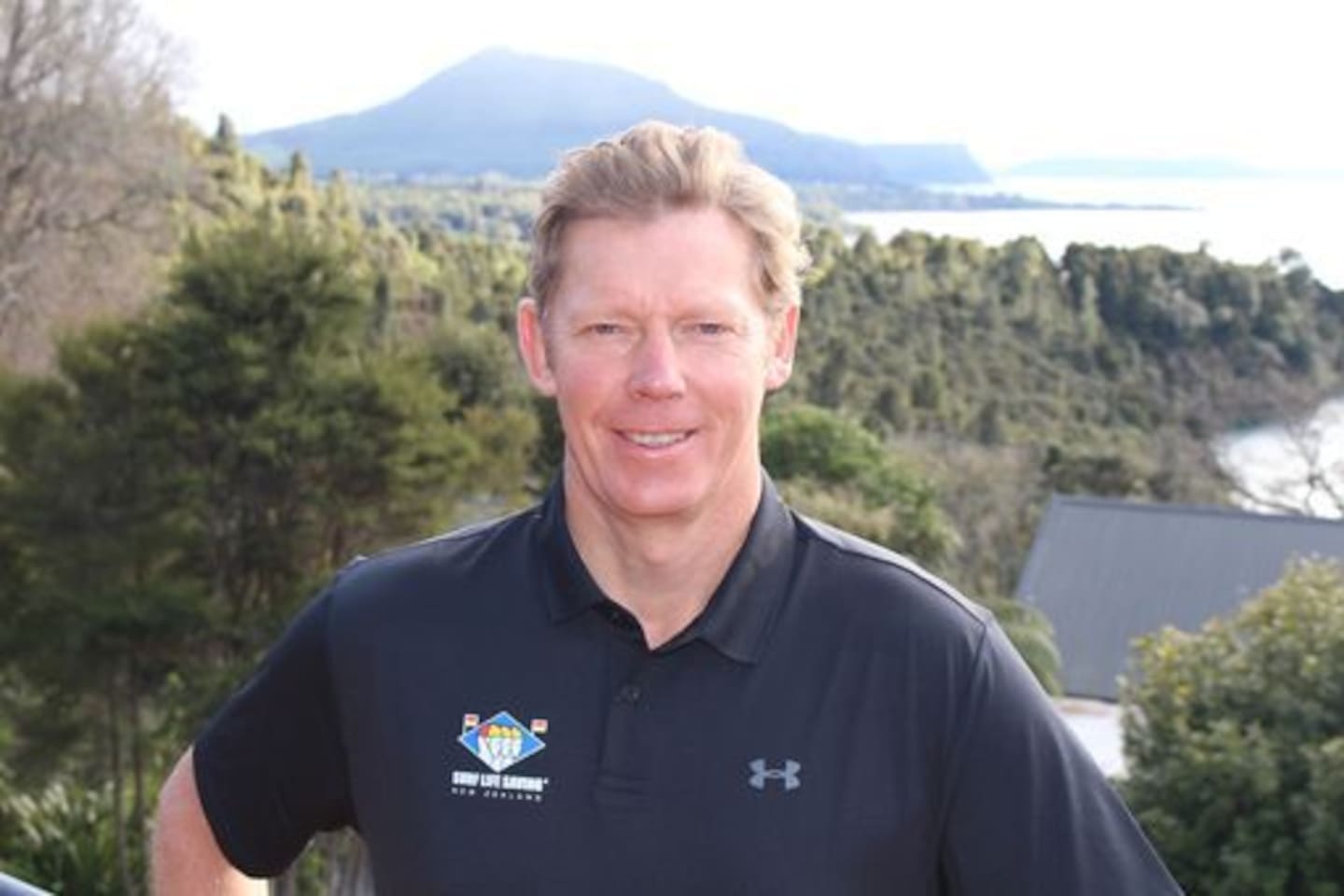
Surf Lifesaving New Zealand (SLSNZ) chief operations officer Chris Emmett.
Emmett said the SafeSwim website shows where and when beaches are patrolled and provides updates on hazards, safety warnings, conditions and tides.
“If you are at an unpatrolled beach, make sure you know your limits and the conditions,” he said.
He added it was important people familiarise themselves with the five beach safety messages, including knowing how to float, finding the safest place to swim, staying out if in doubt, taking care of others and knowing how to get help.
Take your Radio, Podcasts and Music with you
Get the iHeart App

Get more of the radio, music and podcasts you love with the FREE iHeart app. Scan the QR code to download now.

Download from the app stores


Stream unlimited music, thousands of radio stations and podcasts all in one app. iHeart is easy to use and all FREE