

By Anneke Smith of RNZ
New Zealand First will campaign on reinstating sweeping ministerial powers in the fast-track legislation this election.
The law, set up as a “one-stop-shop” process for consenting infrastructure, initially proposed three ministers would refer projects and make the final approval decision.
After widespread pushback during the select committee process, the Government changed the legislation so an independent expert panel would get the final say.
Speaking at a breakfast with energy sector stakeholders in Wellington, NZ First’s deputy leader Shane Jones was asked by Minerals Council CEO Josie Vidal how the Government could convince investors that businesses, not just Government, could get projects going.
“When the Government was formed in 2023, the Prime Minister met with Winston and myself. I kinda got hōhā and went for a holiday to the Gold Coast so if there’s anything wrong with the coalition agreement you might want to blame me,” he told the group as some chuckled.
“But one thing that the Prime Minister embraced, along with Mr Bishop, was the need to substantially improve the fast track legislation that Parker had in place,” Jones said.
“My honest view, and I have to be bound by the collective decision, I always wanted ministers to be making the decisions. I felt that if something was in a regional or national interest the ultimate test is for a politician who goes every three years to renew their warrant to be the proxy for that national interest.”
Jones said he would campaign on a fast track system where politicians “failed or flourished” by making big calls.
“That malaise you talk about was evidenced through the massive march on Queen Street who felt that that was corrupting a process of assessing risk and finding balance and I just can’t get my head around why four individuals...[are] more morally fit to make those calls than politicians and I’m going to campaign on that.”
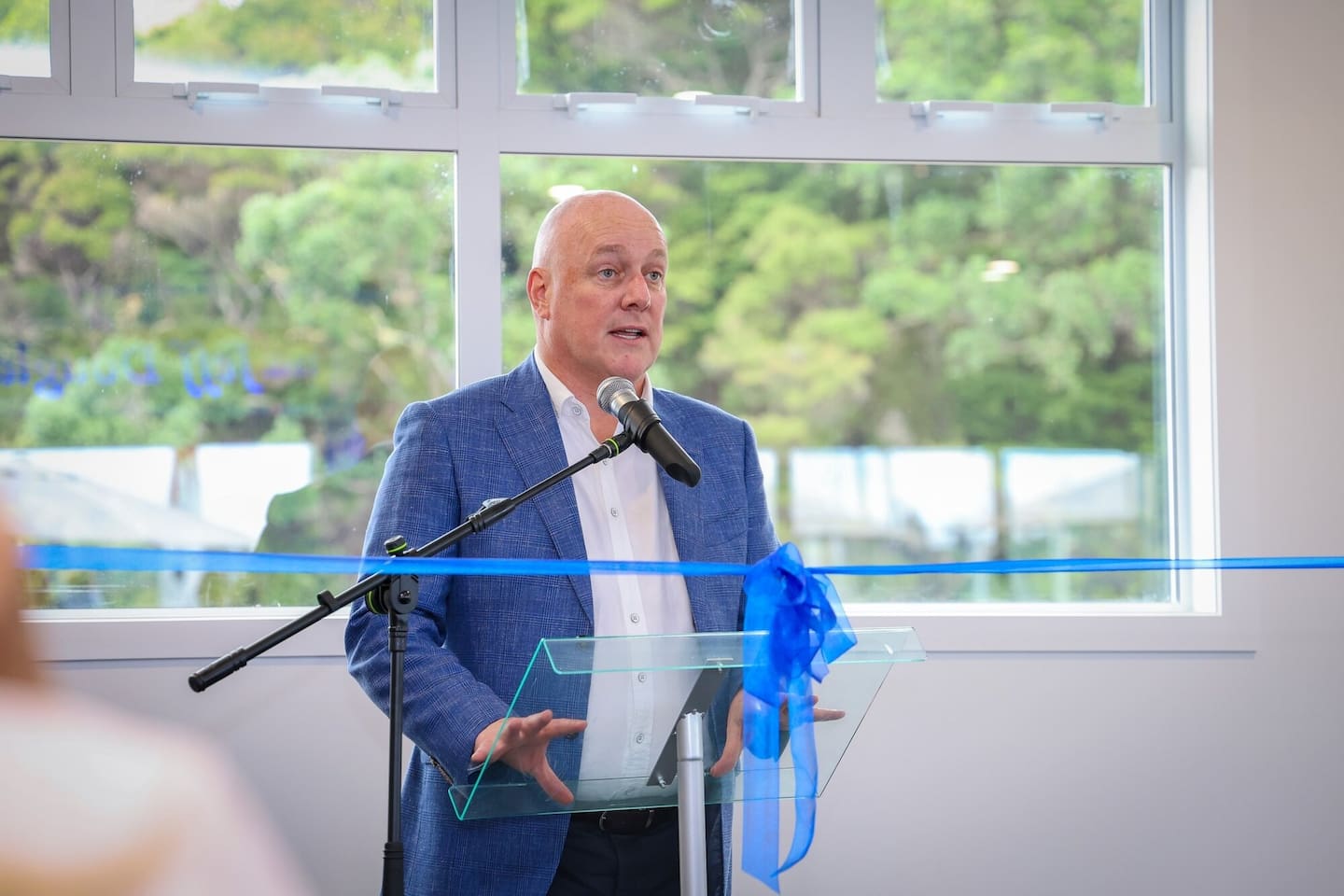
Prime Minister Christopher Luxon. Photo / Supplied
‘We’re comfortable with the model’ - National
Prime Minister Christopher Luxon said the fast-track law was working “exceptionally well” and he didn’t see any need to reinstate the sweeping ministerial powers.
No, we’re comfortable with the model. It’s got to have checks and balances. Fast track is not a rubber stamp. Fast track is designed to say, ‘bring all your information together, make the case for your project’ but it doesn’t need to take five years if we can do it in 110 days.
Luxon said NZ First was entitled to campaign on changes if it wanted.
“They can do whatever but the point is it actually has got checks and balances on it, deliberately so. It doesn’t mean every project is going to get approved.
“As I said, it’s not a rubber stamp. It’s important that there is rigour and robustness in the cases that are presented... but it doesn’t need to take us as long as it’s been taking us.”
National’s campaign chairperson Chris Bishop said the fast-track approvals regime was “the law of the land” as government policy and Jones’ view wasn’t new.
“Shane’s had a view around this for for quite some time and that was how the original fast-track proposal started. In the end, Cabinet landed where we’ve got to, which is a pretty robust regime where ministers make the referral decisions.
“They come across my desk at least once a week and I refer process of projects into the process and then they go off to the expert panels for a yay or a nay.”
Bishop said nine projects had been approved through the fast track in the first year and more were in the process of referral or before panels.
“I’m really proud of how it’s working, I think it’s going really well so far.”
Take your Radio, Podcasts and Music with you
Get the iHeart App

Get more of the radio, music and podcasts you love with the FREE iHeart app. Scan the QR code to download now.

Download from the app stores


Stream unlimited music, thousands of radio stations and podcasts all in one app. iHeart is easy to use and all FREE