


A mother upset over her unwell child was eager to know what was wrong, a doctor has told a court.
The doctor, who can’t be named because of suppression orders around the hospital where she once worked, said during a day-long cross-examination that over time, the mother became familiar with complex medical terms and language.
“She was intelligent and eager to hear explanations and wanted to be part of the journey.
“I didn’t think it unusual at that point,” said the specialist children’s doctor involved in the early treatment of the child.
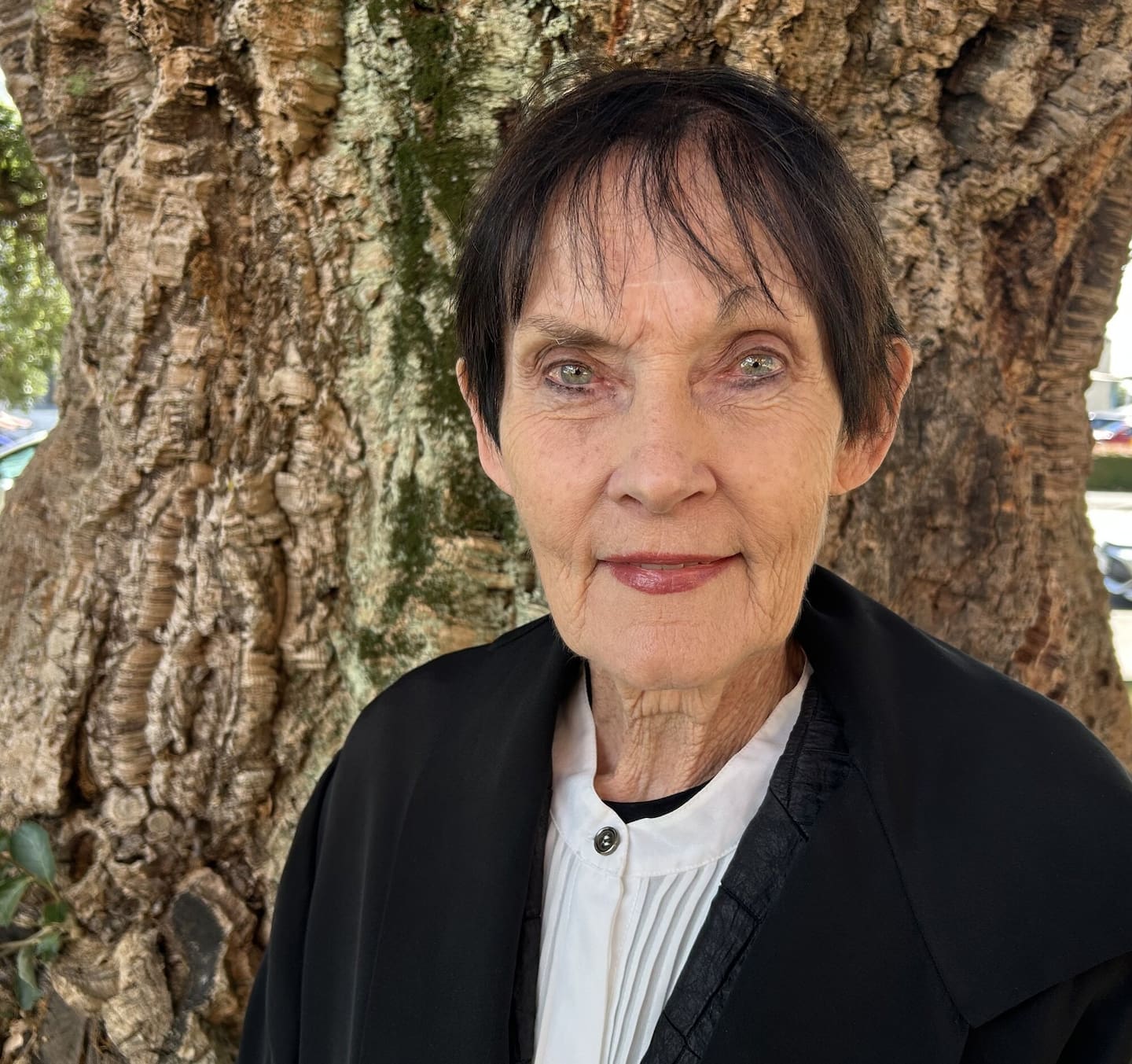
Marie Dyhrberg, KC, is leading the defence in a trial in the High Court at Nelson in which a mother is accused of medically abusing her child. She has pleaded not guilty to all charges. Photo / Tracy Neal
The child was central to a case of alleged medical child abuse, in which the mother was accused.
The mother, whose name was suppressed to protect the child’s identity, has denied all charges against her in a trial that opened this week before Justice Lisa Preston in the High Court at Nelson.
She has pleaded not guilty to four charges of ill-treatment of a child and three charges of infecting with disease.
The Crown case sought to prove deliberate contamination and deliberate tampering of the child’s feeding tubes and IV lines, as explanations for the child’s chronic condition and occasions of sepsis.
Mother, ‘smart, clever and smiley’
Questions about the mother’s in-depth knowledge of medical terms and phrases have been raised by the Crown in its case against her, while the defence argued this did not indicate anything untoward.
Defence lawyer Marie Dyhrberg, KC, asked if parents of medically complex children became familiar with terms and phrases.
The doctor, who described the mother as “smart and clever” and often smiley, was asked if someone familiar with medical technology and eager to understand conditions and treatment, implied unusual or concerning behaviour.
The witness accepted it could occur when someone was immersed in the medical system when a child was unwell.
The Crown alleged the offending constituted “medical child abuse”, which was a diagnosis from a different doctor when the child was discharged from a North Island hospital in January 2021.
Defence case built around ‘medically fragile child’
The defence case was built around what was described as a “medically fragile child living with complicated medical devices” and the actions of a desperate mother trying to help her child.
The alleged mistreatment was raised after hospital and medical treatment of the child over 19 months.
Crown prosecutor Mark O’Donoghue said in his opening statement that the series of hospital admissions followed a medical appointment because the child was not gaining weight.
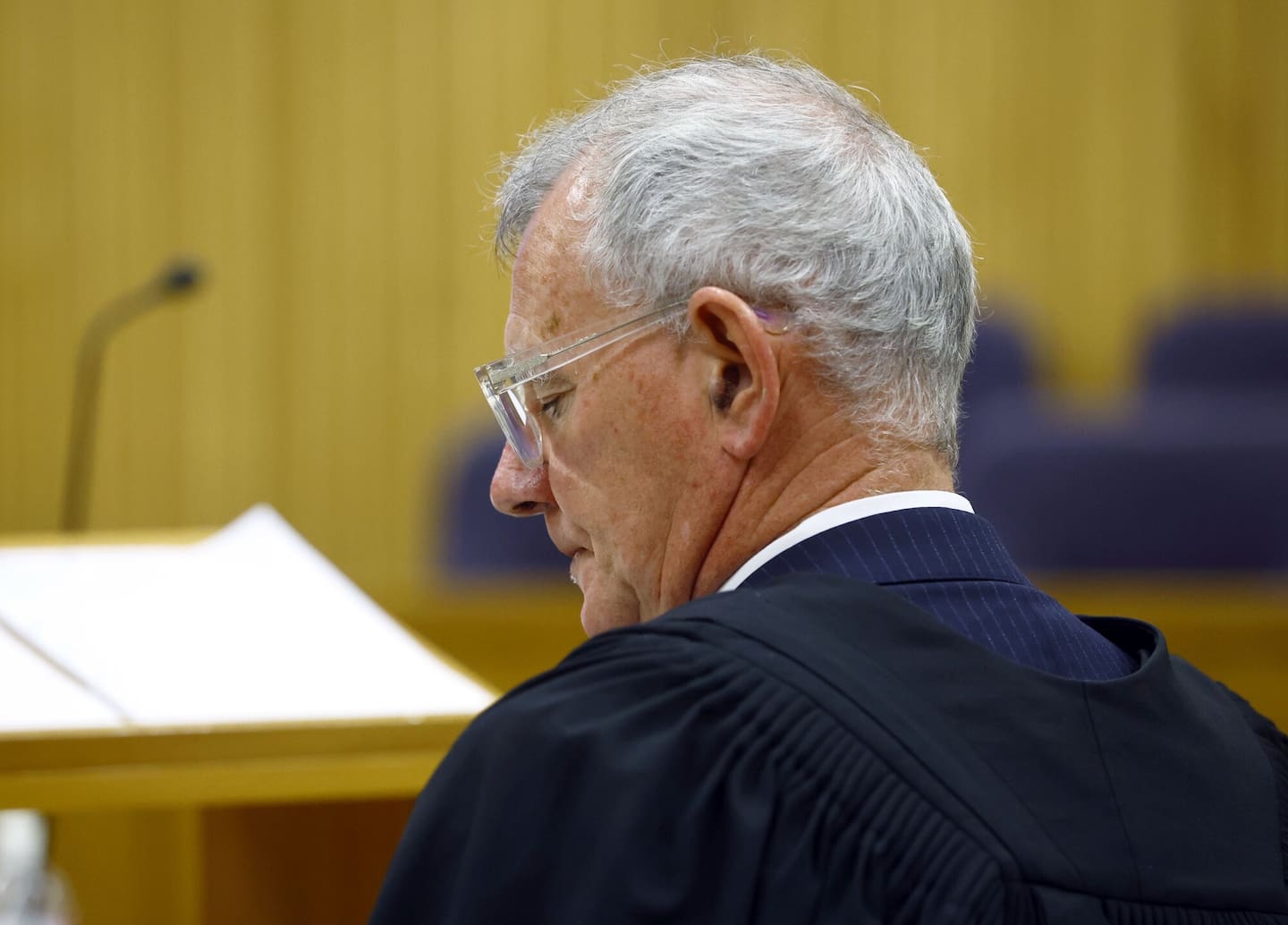
Crown prosecutor Mark O’Donoghue said in his opening statement the series of hospital admissions followed a medical appointment because the child was not gaining weight. Photo/ Stuff / Pool
The doctor who first treated the child, and is a witness in the Crown case, said in her statement to the court yesterday that despite the best efforts of many medical experts, it remained a mystery why an infant child failed to thrive and remained thin and unwell.
She said the child first presented at the hospital outpatient clinic with a reported fever, reflux, and blood and mucus in the infant’s stools.
She said the child was “smiling, sweet, and adorable”, but not gaining weight.
The doctor said while she never saw the mother cause the child pain or distress, like any clinician, she always had medical child abuse in the back of her mind in the absence of any medical explanation over time.
She claimed the child improved once removed from the mother’s care.
Dyhrberg said in her opening statement on Tuesday that the defence was focused on the interpretation of past events, hindsight and what someone might expect to find, and how that might influence recollections of what happened.
Defence drills into parent-doctor relationships
She asked the doctor during today’s questioning, which drilled into hospital admissions related to the child’s apparent inability to eat, if interactions could be interpreted differently once suspicion entered a clinical relationship.
“When reflecting in hindsight on a parent’s conduct, when looking at medical child abuse, under- or over-reporting symptoms can be seen as suspicious?” Dyhrberg asked.
The doctor accepted that this could occur, and that questions could be heard differently, and parental advocacy could be viewed more critically.
“I believe in the beginning there was genuine concern but somewhere along the way it became a snowball,” the doctor said.
The doctor was questioned at length about parental consent during medical procedures and assessments involving children.
She explained it was hard to “apply a Band-Aid” without such consent, and children were not allowed to be examined without a parent present.
‘Multiple admissions’
The child had multiple and long admissions to tertiary hospitals around the country.
The doctor did not personally observe most overnight periods when the child was in these hospitals, or during feeding trials outside town.
She relied instead on reports from other hospital staff, about line breakages and infections developed, and the circumstances in which these allegedly occurred.
The doctor said throughout the time she tended the child, the mother was the main caregiver, and she “never saw the father”.
Dyhrberg asked if being intelligent and recognising risk had “ordinary and innocent explanations”.
The doctor responded that the fact nothing could be explained made the situation more concerning.
However, she accepted that this did not necessarily prove the child’s symptoms were induced.
The doctor said she was dealing with “severe reported symptoms”, tests that did not give answers and a child who continued to deteriorate.
“We are trained to always have consideration of medical child abuse.
“It’s not common, and it’s not a top priority but [doctors] have to consider it when things don’t add up.”
Dyhrberg suggested that what the doctors had was an unexplained medical condition.
The trial is set down for six weeks.
Tracy Neal is a Nelson-based Open Justice reporter at NZME. She was previously RNZ’s regional reporter in Nelson-Marlborough and has covered general news, including court and local government for the Nelson Mail.

Take your Radio, Podcasts and Music with you
Get the iHeart App

Get more of the radio, music and podcasts you love with the FREE iHeart app. Scan the QR code to download now.

Download from the app stores


Stream unlimited music, thousands of radio stations and podcasts all in one app. iHeart is easy to use and all FREE