
An Otago couple is torn over the decision to invest in fertility treatment for a second child, or making a move to Australia to access Trikafta - the drug that could extend their 17-month-old daughter Maya’s life.
Maddie and Mackenzie Palmer, aged 29 and 30, are on the waiting list for genetically-screened IVF in September, hoping to conceive a child who does not carry the cystic fibrosis gene.
They are meanwhile waiting to find out whether NZ drug-buying agency Pharmac’s provisional proposal to fund Trikafta for all people living with cystic fibrosis, regardless of age, will be approved by the government in April.
If it is not, the family plans to move to Australia for Maya, where the “miracle drug” is available to children from two years old.
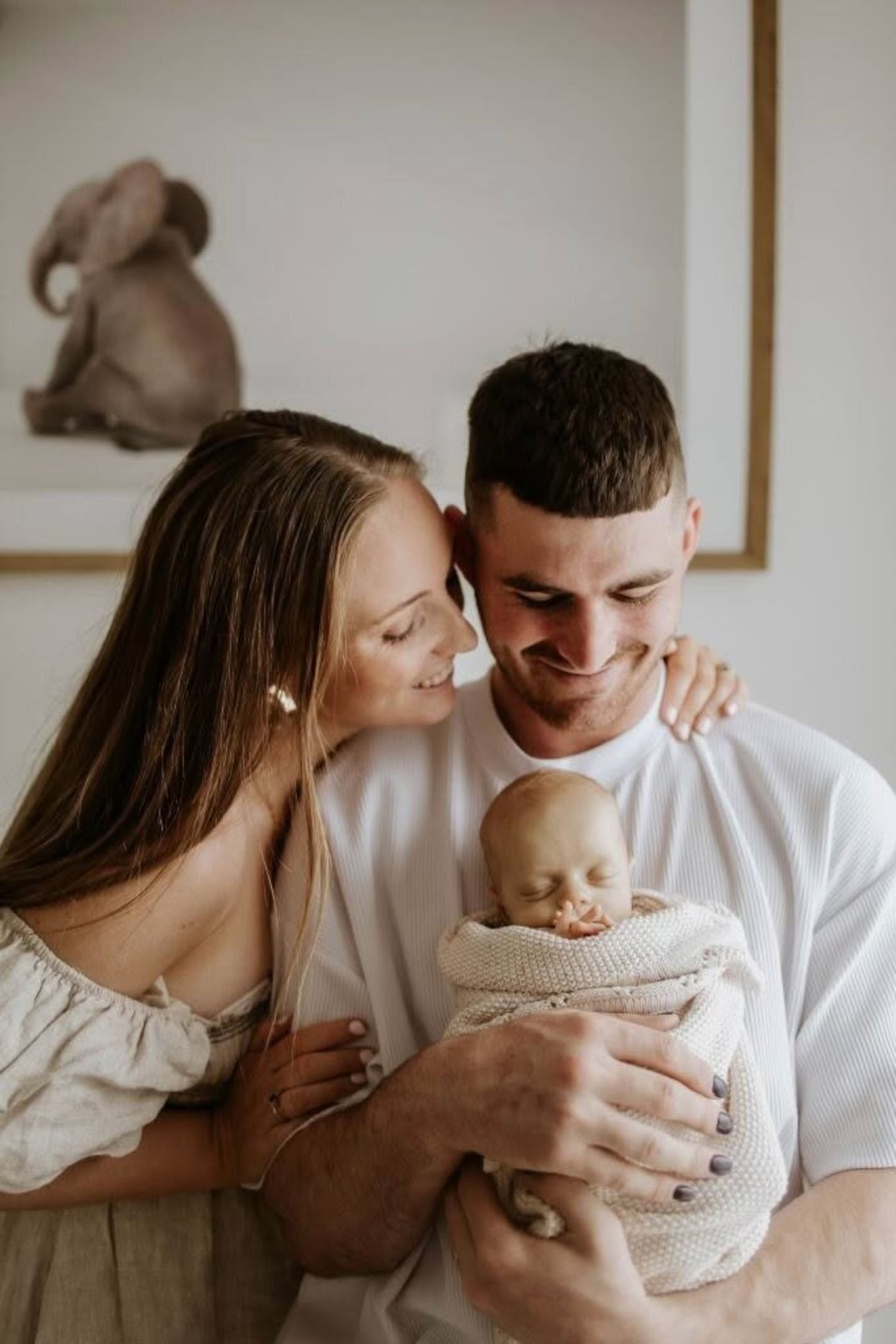
Maddie and Mackenzie Palmer with Maya. The parents are hoping that Maya will be given access to Trikafta this year - a drug that could extend her life. Photo / Supplied.
Maya’s parents were unaware they were both carriers of the disorder - an incurable condition affecting about 500 New Zealanders - until a scan during Maddie’s pregnancy.
“It was too late for termination, and I faced the question, Am I going to bring a child into the world with special needs?’ It was daunting and terrifying. Even if we could [have done] something earlier, I didn’t consider termination, but I understand why people do.” Maddie told the Herald.
“Don’t get me wrong, I don’t want another child with cystic fibrosis, but I can’t imagine our lives without Maya; she brings us so much joy. I wouldn’t change her for the world,” Palmer said.
Cystic Fibrosis causes severe damage to the lungs, digestive system and other organs.
In Australia, children with the disorder can access the life-extending drug from two years old - but in New Zealand currently, they have to be six.

Maddie and Mackenzie Palmer with Maya, who has cystic fibrosis. In Australia, children can access Trikafta from the age of two. The couple hopes toddlers will soon be able to access it in New Zealand too. Photo / Supplied
The previously reported unfunded cost of Trikafta per person in New Zealand was about $330,000, excluding GST, per year.
If Maya can access Trikafta at two, it will likely mean she will breathe easier, gain weight, and live longer.
Pharmac’s Director of Pharmaceuticals, Adrienne Martin, said in a statement last week that the agency is proposing to widen access to Trikafta and Kalydeco, and fund new treatment Alyftrek for people living with cystic fibrosis with eligible mutations.
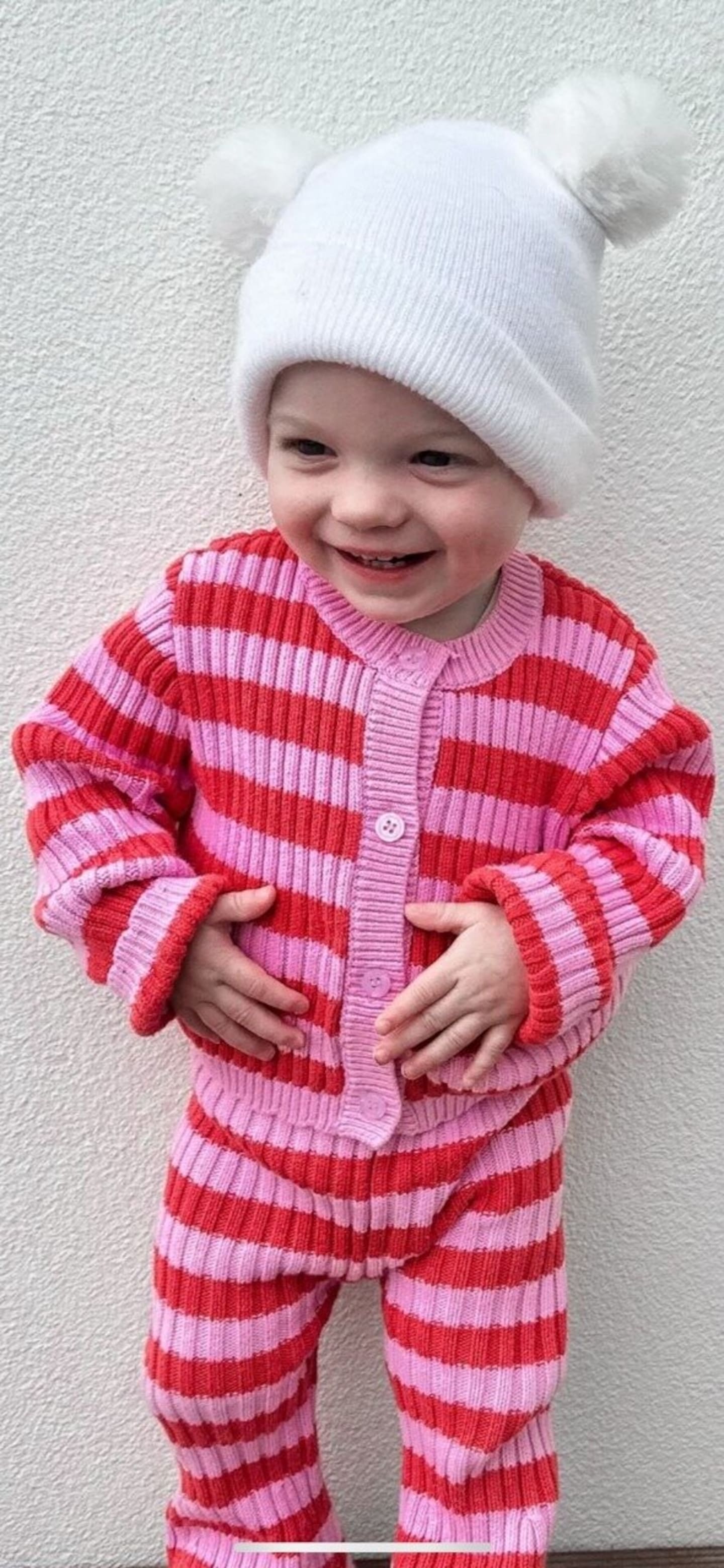
Maya Palmer was born with cystic fibrosis. Her parents were unaware they were both carriers. Photo / Supplied.
“Around 35 people are expected to benefit in the first year, increasing to 47 people after five years” she said.
“Trikafta has already changed the lives of hundreds of New Zealanders with cystic fibrosis.
“Since we funded it in 2023 for people aged six years and above, over 400 people have benefited. We are now proposing to fund Trikafta for more people so it can be used as soon as clinically appropriate, regardless of age.”
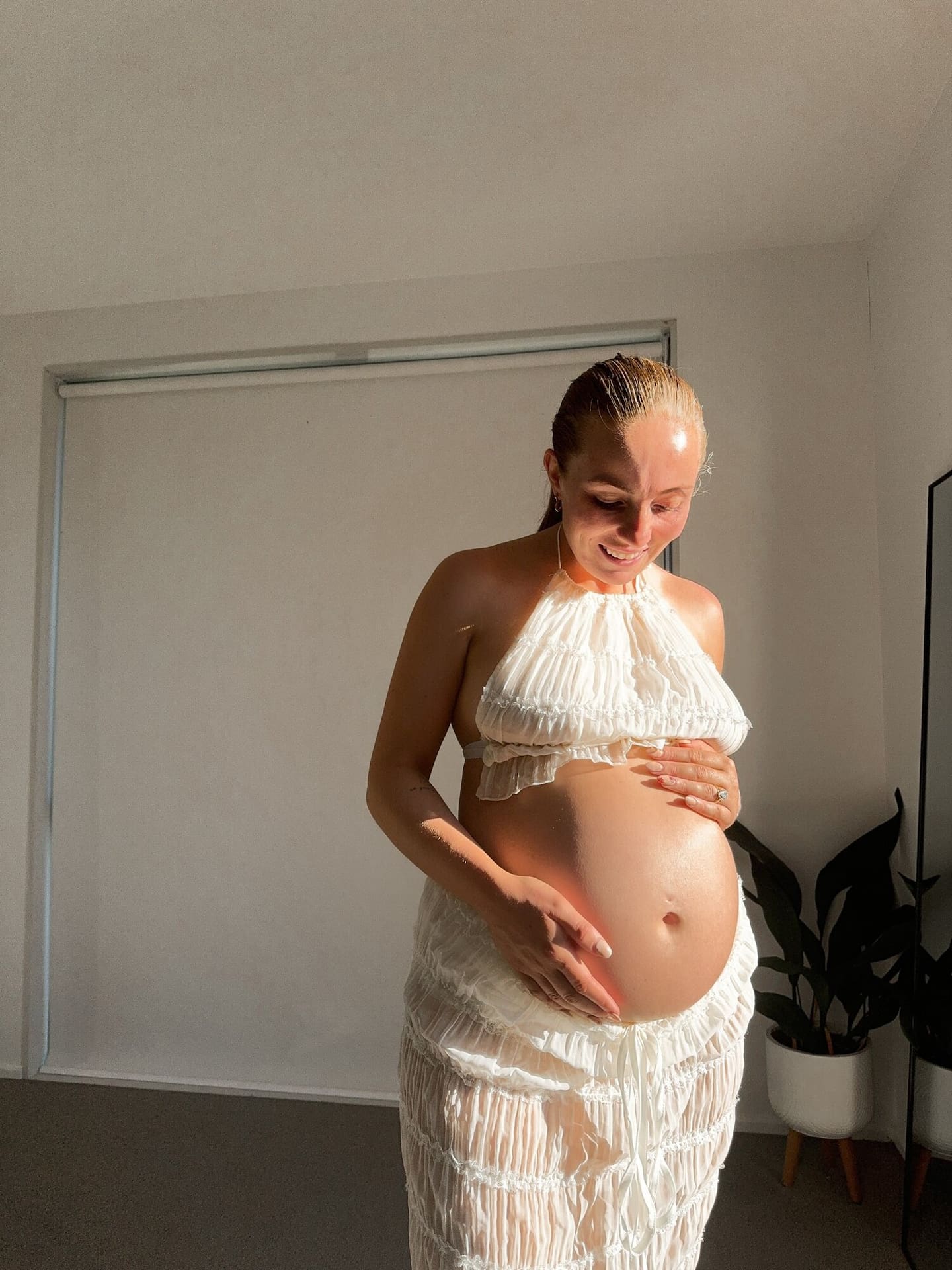
Maddie Palmer was worried that something didn't feel right in her pregnancy, and she gave birth at 35 weeks. Photo / Supplied
Palmer said her pregnancy with Maya was complicated. At 30 weeks, a scan revealed Maya had a perforated bowel. After developing pre-eclampsia, Palmer was forced to deliver at 35 weeks via an emergency C-section at Christchurch Women’s Hospital.
“I felt robbed of a normal pregnancy. We were told Maya would need multiple surgeries, and our world changed overnight.”
On September 4, 2024, around 5:30 pm, Maya Ann Alda Palmer was born and attached to multiple wires and life support. She weighed 4.6 pounds.
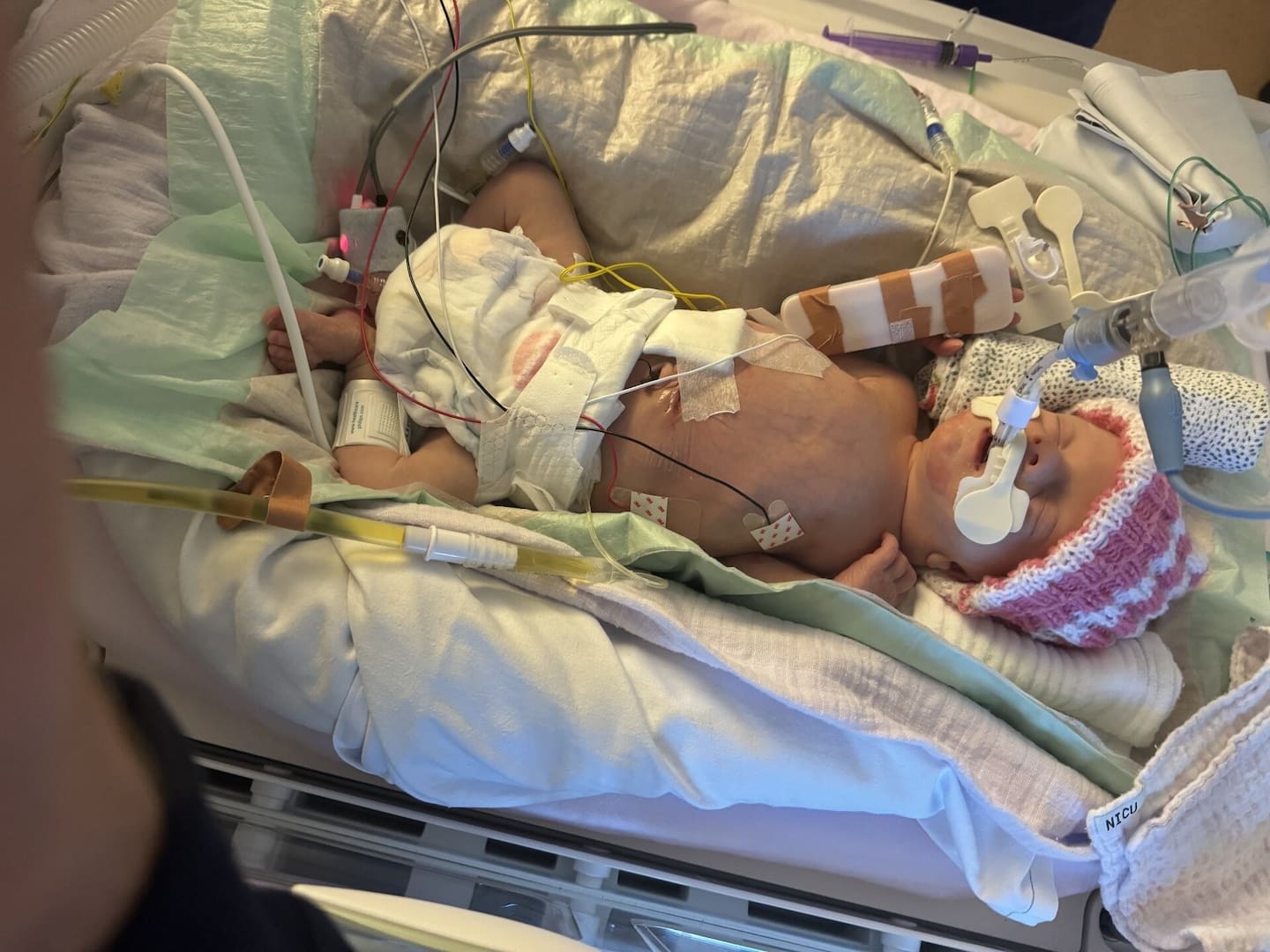
Maya Palmer was born prematurely and needed surgery to remove part of her bowel. Photo / Supplied
That day, she needed a three-hour operation to remove part of her bowel and create a stoma - a surgical hole in the abdomen to allow the body’s waste to be removed - which was reversed a month later in another surgery.
“Maya was taken from me straight away. I felt distant - I never got to hold her. She was so small and sick. I desperately wanted to be a mother and was angry at the world. I spent a lot of time asking, ‘Why me?’” Maddie told the Herald.
The couple stayed at Ronald McDonald House for three months until Maya was ready to return to their home, Green Island South Dunedin.
“I don’t feel robbed anymore. She needs us, but it has taken a long time to get here. It also took time to feel confident handling her. We are making up for that loss now,” Maddie said.
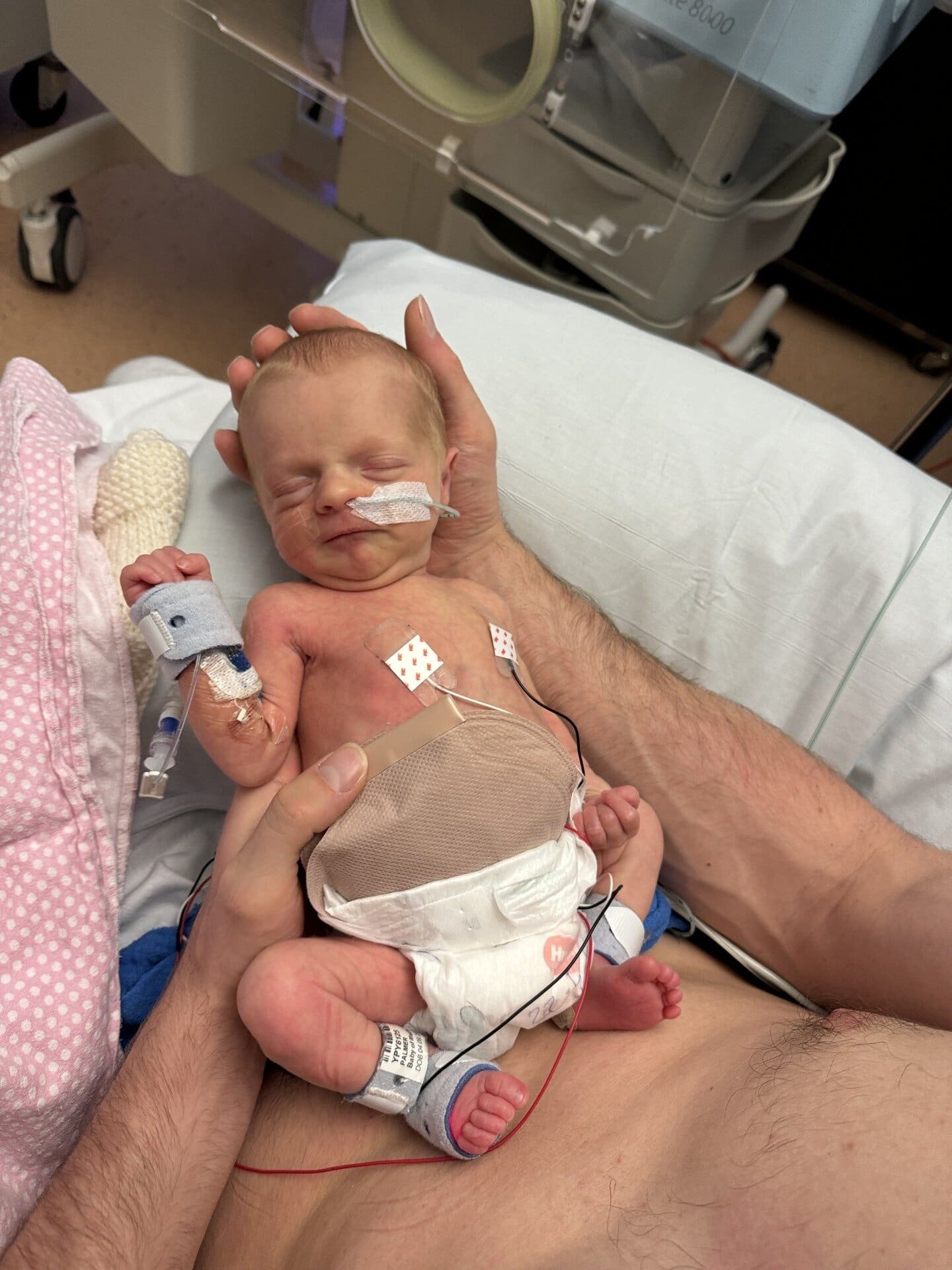
When Maya Palmer was born, she was so sick that her mother was unable to hold her. Photo / Supplied
Palmer says that while cystic fibrosis doesn’t define her daughter, she is cautious about Maya socialising with other children because she says it’s not worth the risk of getting an infection.
While the family of three are content living in their bubble, Palmer feels sad when she hears her friends talking about their children going to pre-school.

Mackenzie Palmer, an Otago Ruby player, is making a tackle. Photo / Supplied.
“Maya is chaotic, loud, and lovable. She’s energetic and outgoing—totally adorable. She’s advanced for her age in mobility and cognitive skills. She loves playing with Wilbur, our Pug and in the Winter, we watch her dad play rugby for Otago.
“We don’t socialise often, and we check every visitor to see if they are sick, and have signs on our door, ‘Help keep Maya safe, please wash your hands,’” Palmer said.
The toddler follows a strict daily care regime. Medication is sprinkled into her food to help absorption, alongside daily antibiotics and vitamins.
Twice a day, Maya also needs 20 minutes of chest physiotherapy to prevent mucus from building up in her lungs.
Maddie and Mackenzie Palmer got married on a golf course in Queensland in 2022 and Maddie became pregnant with Maya in January 2024. Photo / Supplied.
Maddie and Mackenzie Palmer got married on a golf course in Queensland in 2022 and Maddie became pregnant with Maya in January 2024. Photo / Supplied.
Palmer, originally from Timaru, met Mackenzie while studying for a Bachelor of Commerce at the University of Otago in 2016. She now works part-time in banking, and Mackenzie is an assistant manager at Golf Warehouse.
The couple married at a golf course in Queensland four years ago, and Palmer became pregnant in 2024.
The family is hoping they won't need to move Maya Palmer to Australia to access the "miracle" drug Trikafta. Photo / Supplied.
The family is hoping they won't need to move Maya Palmer to Australia to access the "miracle" drug Trikafta. Photo / Supplied.
The couple would like more children, and want to do it through genetically-tested IVF. “We’re funded for two rounds in September, when Maddie turns two.
“We hope Maya will be able to access Trikafta here, but if she can’t, we will move to Australia. That means weighing up having another child against relocating for free access to the drug.
“It would be a tough decision not to have another child, and I hope I don’t have to make it.”
Carolyne Meng-Yee is an Auckland-based investigative journalist who won Best Documentary at the Voyager Media Awards in 2022. She worked for the Herald on Sunday from 2007-2011 and rejoined the Herald in 2016 after working as an award-winning current affairs producer at TVNZ’s 60 Minutes, 20/20 and Sunday.
Take your Radio, Podcasts and Music with you