

A killer who has spent more than half his life behind bars after murdering a Scottish tourist with a baseball bat has been declined parole for the seventh time.
In 2008, Jahche Broughton, then aged 14, brutally attacked 26-year-old tourist Karen Aim while she was visiting Taupō on a trip around New Zealand.
The Scottish tourist had been at a party and encountered Broughton walking back to her accommodation.
The teenager had just used a bat to smash windows at a local school.
He viciously attacked Aim with the bat and continued beating her as she lay injured on the street.
He fractured her skull, causing extensive brain injuries.
Several days earlier, Broughton had bashed another woman so badly with a rock that she required 30 staples and stitches to her head.
A year after the incident that shocked the nation, Broughton pleaded guilty to murder and was sentenced to life in prison with a minimum non-parole period of 12-and-a-half years.
At a recent parole board hearing, the teen killer, who has been behind bars for 18 years, via his legal counsel “objected to what is described as the conventional step of transitioning into the community through a less restrictive pathway, including self-care”.
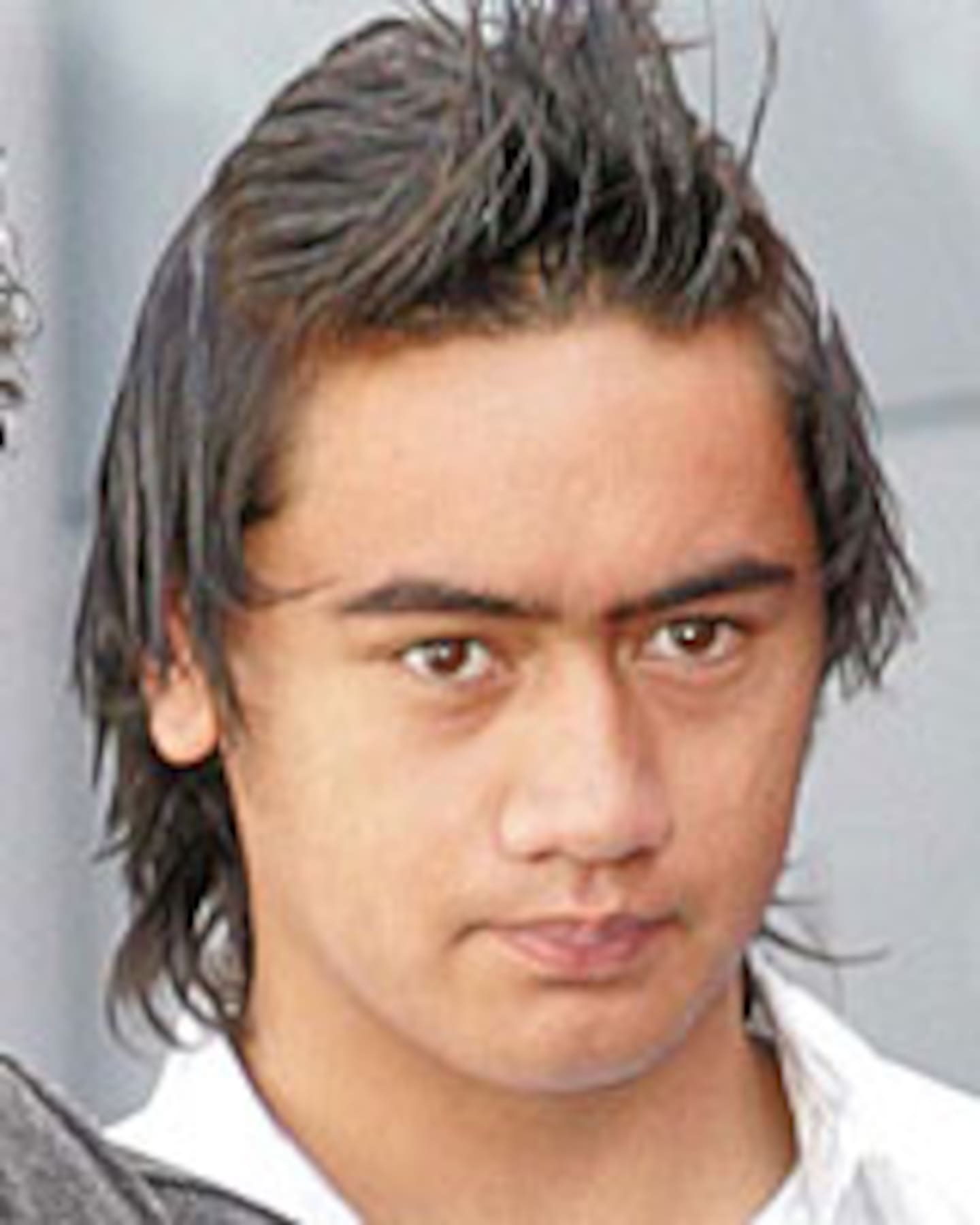 Jahche Broughton assaulted a young woman days before he murdered Scottish tourist Karen Aim. Photo / NZME
Broughton told the board through his counsel that the conventional way of transitioning would deprive him of access to the support of key whānau members.
He said he had made a “vow”, formalised through a process under the Oaths and Declarations Act 1957, that he would not enter self-care units in a prison-centric environment. He argued that the way forward was for him to reintegrate directly into the community, subject to wraparound support.
He first became eligible for parole in 2020, but it was at his third appearance before the New Zealand Parole Board in 2023 that he finally gave some insight into why he killed Aim.
“He described some of his background and reason for the attacks as a lack of understanding of who he was, being brought up with no boundaries, and the abuse of drugs and alcohol.
“He said, he thought at the time of the violence, that violence with regard to both of these women was, in his words, ‘normal’ and that the offending was ‘an accident,’ Parole Board chairman, Sir Ron Young said in that report.
 Jahche Broughton killed Scottish tourist Karen Aim in 2008. The Parole Board said Broughton poses a high risk of re-offending. Photo / Composite / NZME.
Five years ago, Broughton completed the Special Treatment Unit Programme for Violent Offending, followed by a drug treatment programme.
He currently holds a minimum-security classification and has demonstrated ongoing good conduct and compliance.
“Mr Broughton has had a good record of work within the prison, although he was recently stood down from his role in the kitchen for not following instructions,” the board said.
A psychological assessment assessed Broughton as being amongst a group of inmates who posed a high risk of violent reoffending and has high reintegrative needs.
“The report concludes with the recommendation that he should continue with reintegration activities and engage with the psychologist to assist him in managing that process,” the board said.
At last year’s hearing, the panel convenor, Neville Trendle, said, “We explored Mr Broughton’s difference of view with respect to the pathway proposed in the psychologist’s report, but we had difficulty in understanding the basis for what a dogmatic opposition to the proposal was.”
 Jahche Broughton, who killed Scottish Tourist Karen Aim in 2008, will appear again before the Parole Board before October 2026. Photo / NZME
“In the Board’s view, Broughton’s transition to the community in an orderly and structured way is essential, having regard to the 18 years he has spent in prison.
“He will need to demonstrate to the Board that he is able to cope with change in a less restrictive environment the closer he gets to release. Not only are we of the view that the step is essential, the alternative he proposes is not feasible.”
Broughton will remain on a reintegration pathway with proposed ongoing access to psychological support. He will return to the Board later in the year.
Carolyne Meng-Yee is an Auckland-based investigative journalist who won Best Documentary at the Voyager Media Awards in 2022. She worked for the Herald on Sunday from 2007-2011 and rejoined the Herald in 2016 after working as an award-winning current affairs producer at TVNZ’s 60 Minutes, 20/20 and Sunday.
Take your Radio, Podcasts and Music with you
Get the iHeart App

Get more of the radio, music and podcasts you love with the FREE iHeart app. Scan the QR code to download now.

Download from the app stores


Stream unlimited music, thousands of radio stations and podcasts all in one app. iHeart is easy to use and all FREE