

The Government has been urged to settle police pay disputes and lessen the time it takes for staff to reach their maximum earnings potential as a way to prevent officers from crossing the ditch and being lured by Australia's new hiring push.
The New South Wales police force has begun a major employment campaign to bring New Zealand officers across the Tasman to fill their vacancies, which are due to a shortage of available police staff within the state.
As part of the campaign, Kiwi officers would only need to spend three months in Australian police training and would be able to retain the rank they hold within the New Zealand force - along with the corresponding Australian pay bracket.
The New Zealand Police Association confirmed that just last week, 20 officers took up NSW's offer and more could be set to follow. Yasmine Catley, president of the NSW Police Association, said Australia has 1500 vacancies to fill and is doing what it can to make the transition into the force easier.
She said NSW already has plenty of cops from New Zealand serving on the force.
"We have all of the good opportunities they'd like to come over here and be part of the force. It's a terrific organisation in a beautiful part of the world, we open you with open arms," she told Newstalk ZB yesterday afternoon.
Catley was asked if she felt any guilt potentially leaving New Zealand short of their own force of officers.
"No, none at all," she said.
"Queensland has been doing it, Victoria has been doing it, you know, this has been going on for quite some time. Look, our police are professional and they have a unique set of skills ... this recruitment programme is just another tranche of us making sure the force has bolstered numbers."

Cops who leave for New South Wales at the graduate ranks would begin on a starting salary of the equivalent of around NZ$73,000. But Catley said this amount would be likely to increase as the country's newly elected Labor Government would be seeking pay rises for officers.
Back in New Zealand, Labour police spokeswoman Ginny Andersen said the hiring campaign couldn't have come at a worse time - and that the campaign differed from other ones seen in the past.
"We know a lot will go ... this Government has just got its priorities wrong, it's put tax cuts for landlords over police pay and we will be paying the consequences for that," she told Andrew Dickens on Newstalk ZB's Breakfast show.
Andersen was asked how New Zealand would retain its officers, with Dickens noting there wasn't a bottomless pit of money to take from. The Labour MP said in New Zealand's case, the Government got an opportunity after talking a big game on being tough on crime, but that its latest pay offer to police was worse than her previous Government's offer back in 2023.
"That lost opportunity eroded police morale and made those overseas opportunities look far more attractive," she said.
"Cops are [also] being asked to do more by this Government through things like gang patch removal, but the Government doesn't seem prepared to pay them what they're worth to keep them here in New Zealand."
However, NZ Police Association president Chris Cahill conceded that the New Zealand Government would never be able to compete with the Australian economy for police salaries.
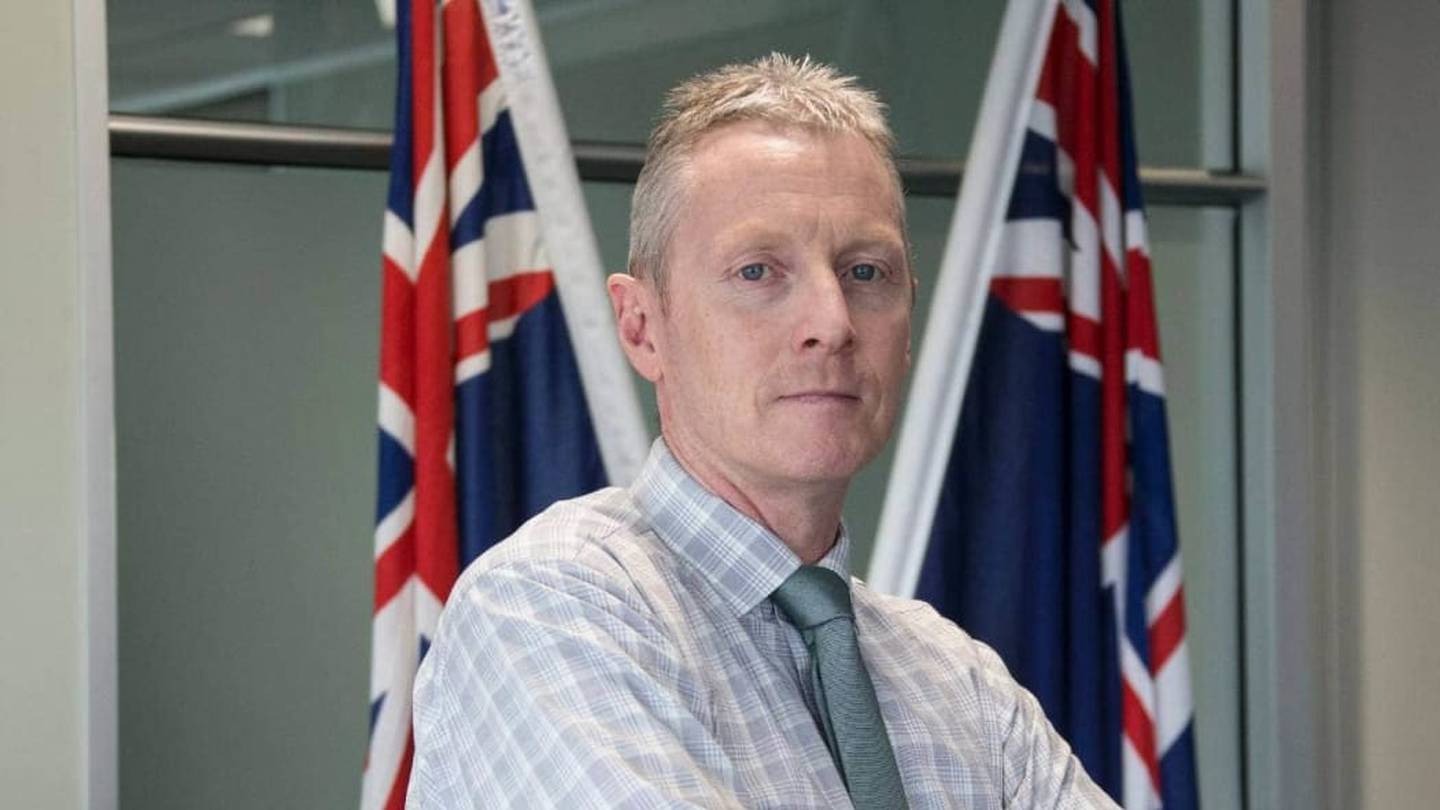
"It would be nice to but the reality is they keep digging stuff out of the earth and sending it to China and they're just a different economy," Cahill said.
In Cahill's view, he would like to see the Government settle the pay rounds in a much shorter time frame, given that waiting a year to settle the round has unsettled officers. He said progress was being made and there would be hope for the end of the month, but that the pay talks should never have taken so long.
"I'm not saying we have to match Australia, but we've [also] got a problem that it takes a constable 21 years to reach their maximum earnings whereas for a nurse or teacher it's about six years, so that has to change," he told Dickens.
"You need to get to maximum earnings within six to seven years we believe, not 21. That would be the biggest difference to keep our officers here."
Cahill lamented at the 20 officers who have so far resigned to cross the ditch. He said the majority of the bunch that left had done 10 years service, adding "they're the ones New Zealand would want to be retaining".
"They're not the older guys retiring, they're younger people leaving," he said.
"It's also about the job. The risks they're facing, but ... they're so busy, we've got to pull back some of that around the mental health stuff, around the non-risk family harm stuff so the officers can concentrate on what is a priority."
Police Minister Mark Mitchell said he was in Canberra last week meeting with both state and federal police ministers, and found they had exactly the same problem New Zealand has around recruiting and the challenges that presents.
He said this wasn't anything new, he recalled being encouraged to join the Australian force back when he was an officer - with the promise of houses with in-ground pools.
When it came to retaining his police force, Mitchell said he agreed with Cahill's views on comparing the New Zealand and Australian economies, admitting New Zealand couldn't compete. He also rejected the suggestion from Dickens he would ever guilt trip an officer into staying.
"I've been very publicly stating that we should acknowledge them and thank them for their public service in New Zealand, I never stand in the way of police officers making their own decisions based on what's important for them or their families," he told Dickens this morning.
"The thing that our Government has been open about is making our economy much stronger, trying to move us towards Australia in a high-wage economy so we can compete better - that we can provide a country they want to come back to and they see a future to raise their families in."
Mitchell said his Government needed to look at pay bands, as pointed out by Cahill, and noted police were offered aspects such as overtime, which the sector has never had access to before.
"We're doing as much as we can, as fast as we can to look after our frontline police because we know we're in a bad space in this country with violent crime."
Take your Radio, Podcasts and Music with you