
A father has accused Auckland Transport (AT) of major failures around passenger safety after his daughter and her friends were left bloody and bruised in an unprovoked attack.
The Auckland man, who did not wish to be named, sought information about injuries on public transport after his daughter was attacked late last year.
He told the Herald he found “concerning” gaps after he lodged his Official Information Act request (OIA).
The information revealed the transport agency did not hold in-depth data on injury reports.
The records did not distinguish between injuries based on slips or falls and criminal activity, and the reports were also not broken down by the specific route, location or number of victims.
The father claimed AT had no hope of trying to fix the problem if it couldn’t even prioritise finding the information to figure out how injuries were happening.
“You’ve got to be kidding me. How can you [AT] not know who’s been injured and how?” he told the Herald.
AT told the Herald it is currently “streamlining and enhancing” the incident reporting process it receives from its partners, and claimed incidents remained “rare”.
AT said it doesn’t ”rely solely on high-level data categories” to manage incidents.
The father’s query came after his daughter was one of three women and a man in their early 20s left fearful of public transport after an unprovoked attack on the western train line late last year.
The victims earlier told the Herald that they were attacked by about 30 teenagers, and left with life-altering head injuries and scars.
The father said the attack was “pretty horrific”.
“I think when you front up to an A&E, and you see your child ...literally covered in blood, blood all through her hair, ripped clothes. I mean, that was pretty dramatic,” he said.
The father said the lack of data he was given from AT meant patterns of incidents across the public transport network were not easily available.
“What I was trying to do is try and see which routes people were being injured on and whether that frequency was going up or down.
“When they came back and said ‘we actually can’t tell you’, it’s quite concerning,” he said.
The father said AT needed to support the victims and “actually do something to mitigate the risk”.

The father of a young train assault victim is calling out his “concerning” discovery that Auckland Transport doesn’t record vital statistics on attacks. Photo / Michael Craig
Lack of AT records
The OIA response from AT, shared with the Herald, said its record of reported injuries on bus, train and ferry services did not distinguish between injuries from minor slips or falls or criminal activity.
On bus and ferry services alone, there were 356 records of abuse, 209 of assault and 286 of injury from November 2023 to November 2025.
These statistics also did not specifically distinguish between harassment that is sexual or not, or whether theft or robbery took place during the incident.
For train services within the same period, there were 38 records of injury, 28 records of antisocial behaviour or passenger issues and 156 records of robbery.
The record of incidents on train services was also not broken down by harassment, sexual or otherwise.
For each report, the father sought the service number/route, the location of the incident, the number of victims, the nature of the act, AT’s customer response after the incident, and AT’s management response in terms of resulting changes to health and safety policies or processes.
In response, he was told “AT’s records are not broken down by the specific service, location, number of victims or the nature of the act”.
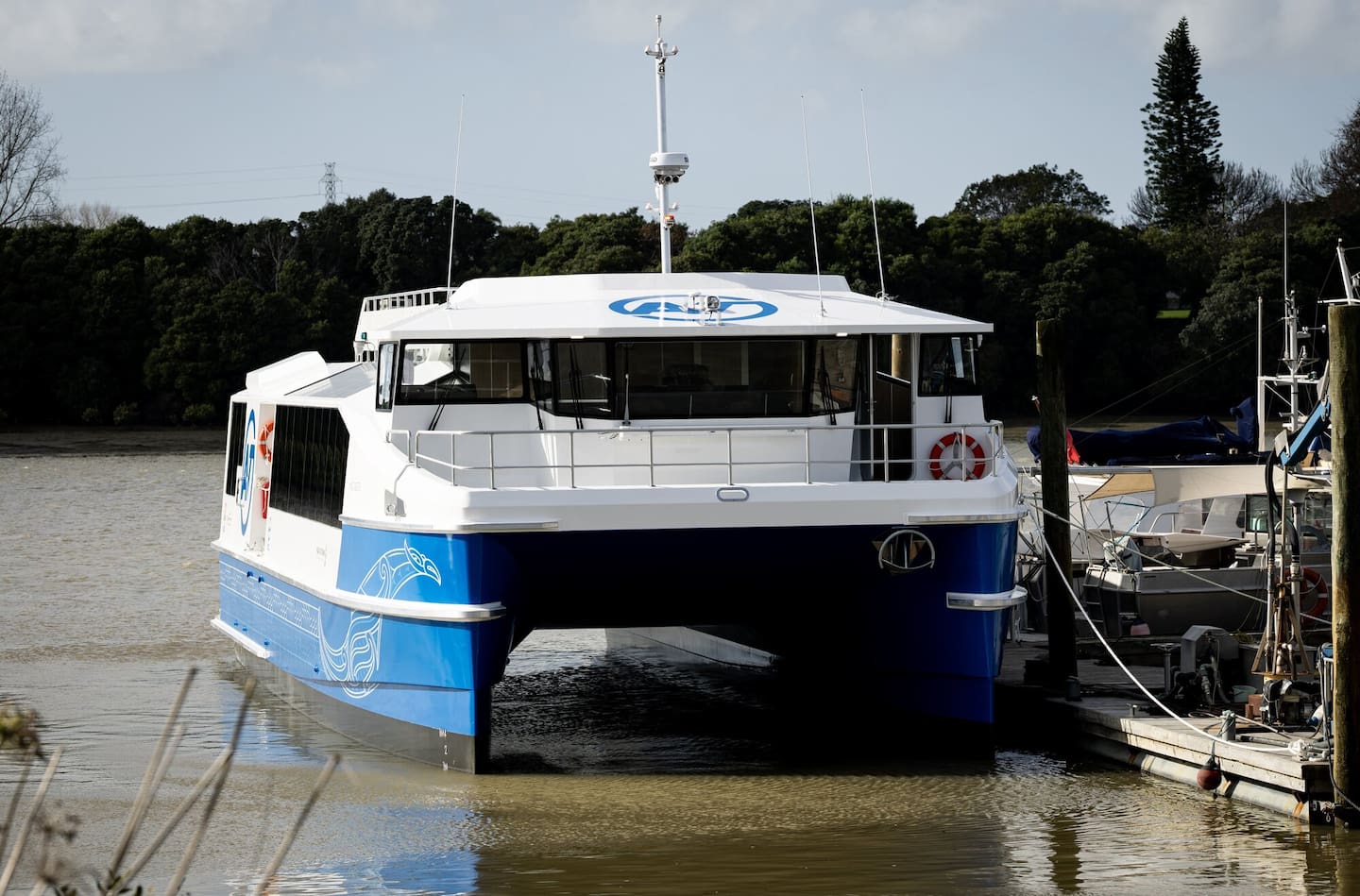
An Auckland father has accused Auckland Transport (AT) of major failures around passenger safety. Photo / Dean Purcell
In the OIA response, AT said to provide the records in full detail, it would require a manual review of 1073 records.
His request was therefore refused under section 17(f) of the Local Government Official Information and Meetings Act 1987 (LGOIMA) because it amounted to a substantial collation.
The father said this response left him “completely befuddled”.
“Health and safety 101 is you need to know where the problem lies.
“Otherwise, you can’t solve it ... if you can’t even prioritise finding the information to figure out how injuries are happening, then you’ve got no hope of trying to fix it,” he said.
AT respond
AT said it is working to automate some of its reporting and safety insights, but said the updates would not “significantly change” the way it responded to incidents and deployed safety staff.
Rachel Cara, AT group manager, public transport operations, said there are variations in how safety incident data is reported.
“The data provided enables our teams to quickly respond to incidents and adjust our proactive safety measures accordingly,” Cara said.
She said AT’s public transport operators provided prompt updates on major incidents to AT public transport operations teams, including staff in the Auckland Transport Operations Centre and the Auckland Rail Operations Centre.

The father of a train assault victim is calling out his “concerning” discovery that Auckland Transport does not record vital statistics on attacks. Photo / Jason Oxenham
“When our teams are responding to incidents, we don’t rely solely on high-level data categories to inform how we manage these – instead we look at the specific details and respond accordingly," Cara said.
She said, depending on the incident, the AT response could include informing emergency services and supporting police investigations, redeploying security guards and transport officers, or informing the longer-term programme of safety initiatives across the network.
Cara said that the large scale of Auckland’s public transport network meant the range of incidents varied widely.
“For example, incidents broadly categorised as ‘robbery or theft’ range from very rare incidents of serious theft investigated by police, through to instances of drinks being taken from vending machines,” Cara said.
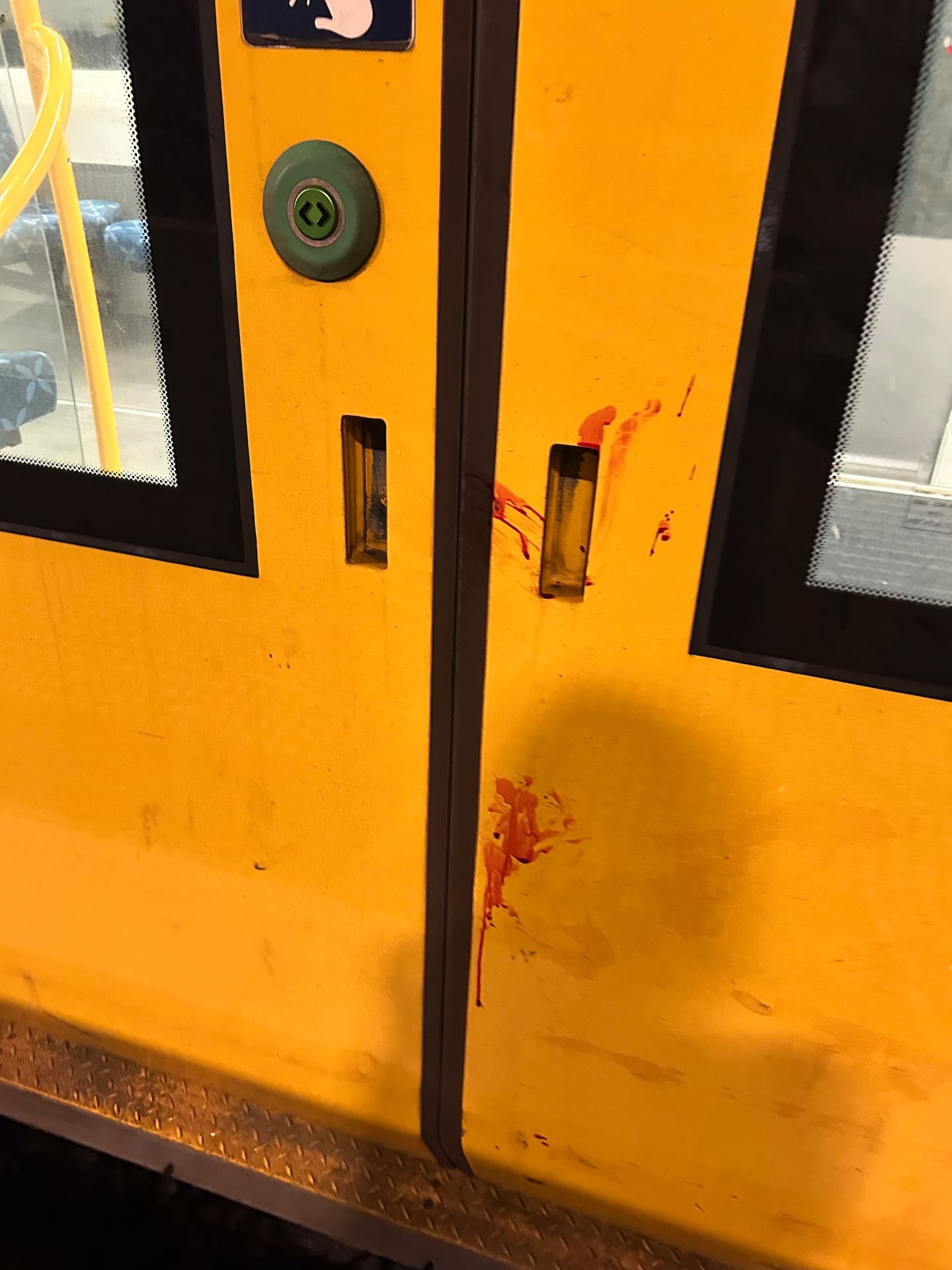
Three women and a man in their early 20s were left fearful of public transport after an unprovoked attack.
Cara said AT works closely with its bus, train and ferry operators to keep customers safe and to effectively respond to “rare incidents”.
“The challenges we grapple with on public transport are the same issues that play out on our streets, in our communities and in our homes,” Cara said.
She said the difference with public transport is that when incidents do occur, they do so in a very public place.
“This means it is vitally important that Auckland Transport and our public transport partners work closely together and with agencies like police and Auckland Council to proactively manage public transport safety,” Cara said.
Senior lecturer in workplace health and safety at Victoria University, Dr Chris Peace, told the Herald that incident data is important for identifying concerns.
“Without the data and knowing time and service and the potential causes and consequences, you can’t do anything,” he said.
For example, Peace said it would be helpful to know if a particular train service was having a series of problems or assaults and robberies on a particular line after certain hours.
“If you don’t know that they’re happening or where they’re happening or ... the factors involved in cause and consequence, the police won’t be able to do much.
“You need the data to show that,” Peace said.
Take your Radio, Podcasts and Music with you
Get the iHeart App

Get more of the radio, music and podcasts you love with the FREE iHeart app. Scan the QR code to download now.

Download from the app stores


Stream unlimited music, thousands of radio stations and podcasts all in one app. iHeart is easy to use and all FREE