

Danae Lee started having dental problems from age 18.
The Whakatāne resident, who uses they/them pronouns, said they needed a filling and couldn’t afford it on their minimum-wage job.
This became “multiple” extractions, “because that was the cheapest option”.
“I’ve ended up now with a bunch of missing teeth ... Thankfully, not the front ones.
“I’ve struggled with my teeth for a long time because it went unchecked, because I couldn’t afford to go and get it fixed ...”
Now in their mid-40s, Lee’s situation has not changed - they recently needed five teeth repaired but couldn’t afford to see the dentist.
Dental care is free in New Zealand for those under 18. Adult dental care is not included in the public health system.
The average cost of a dental examination in 2023 was $89, an extraction was $291, and a crown was $1624, according to a dental fee survey.
Lee has joined other advocates who are calling on the Government to implement free, universal dental care.
Advocacy group Dental for All went on a national roadshow this year, which included visits to Tauranga, Rotorua and Whakatāne.
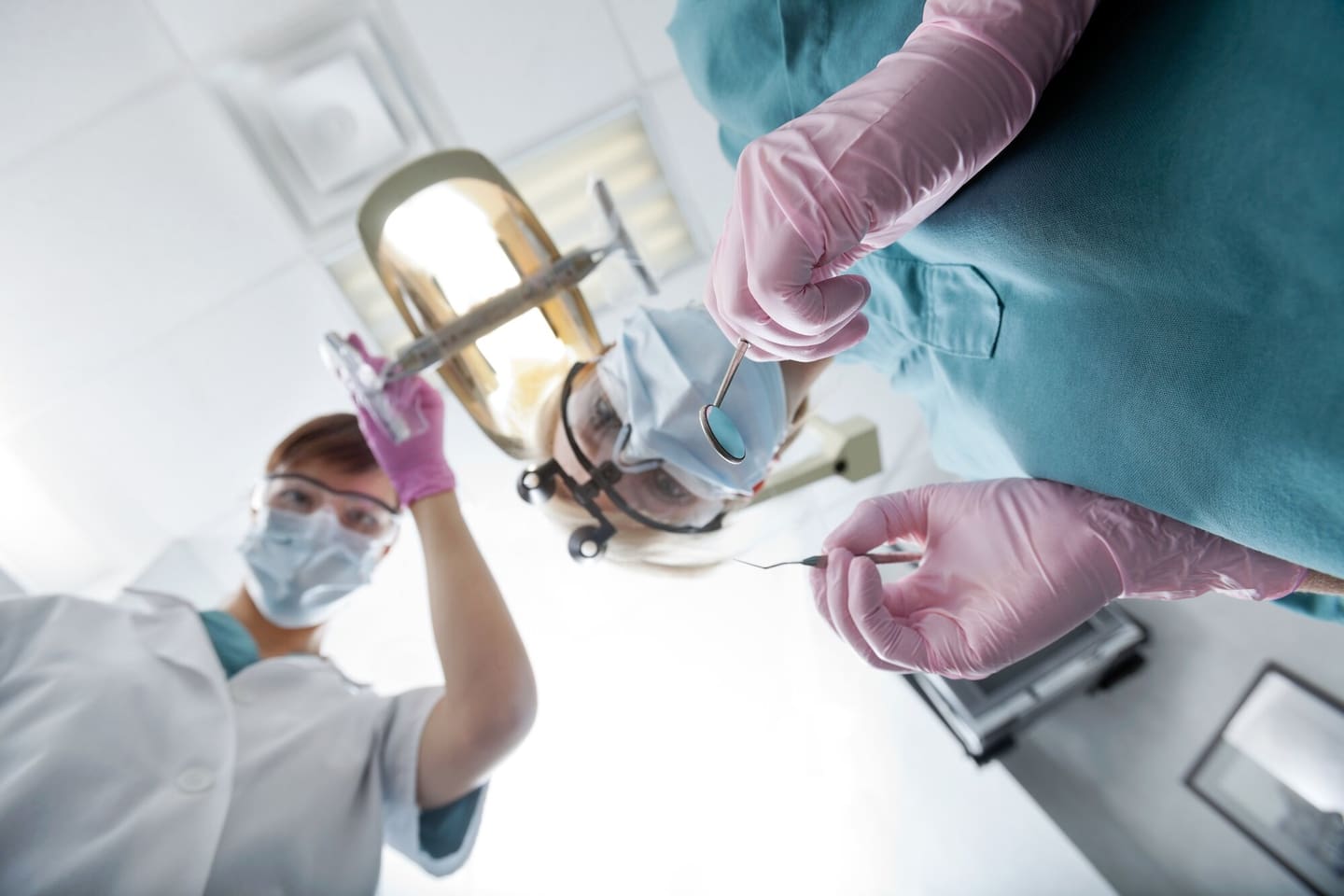
The cost of dental care has left many people "suffering in pain” and unable to work, says Danae Lee. Photo / 123RF
Lee said many people such as them waited until their teeth got “bad enough” to go to hospital, because seeing a dentist was unaffordable.
This meant people were “suffering in pain” and unable to work.
“I’ve been a person who has sat in a Winz office crying because I’m asking for a grant to get my teeth fixed so I can go and get a job.”
If dental care was free, “it would have saved me a lot of pain”, allowed them to return to work faster, and positively impacted their mental health.
Lee said they were not eligible for a Work and Income grant because their partner earned “just over” the threshold.
Apanui School principal Marama Stewart said students and their families needed to be well “for good-quality education to happen”.
“Dental care is a key part of that.”
Stewart said the school had dental van visits, which had been reduced from two to one visit annually.
She said it was a “generational norm” to have “no teeth”, because it was cheaper to get a tooth extracted at hospital.
Free, universal dental care would make a “huge difference” to many parents, she said.
Dental for All spokeswoman Hana Pilkinton-Ching said cost was a “massive barrier” for accessing oral health care, and it was “quite common” in some areas for people to extract their own teeth.
“That can be really dangerous for people’s health ... ”
She said it was “shocking” that dental care was not free. She was looking forward to “building up the political pressure” for that to change.
Research commissioned by Dental for All showed the cost of universal dental care, at $1 billion to $2b, was less than the social cost of widespread exclusion. FrankAdvice research showed the current approach was costing the country $2.5b in lost productivity and $3.1b in reduced quality of life.
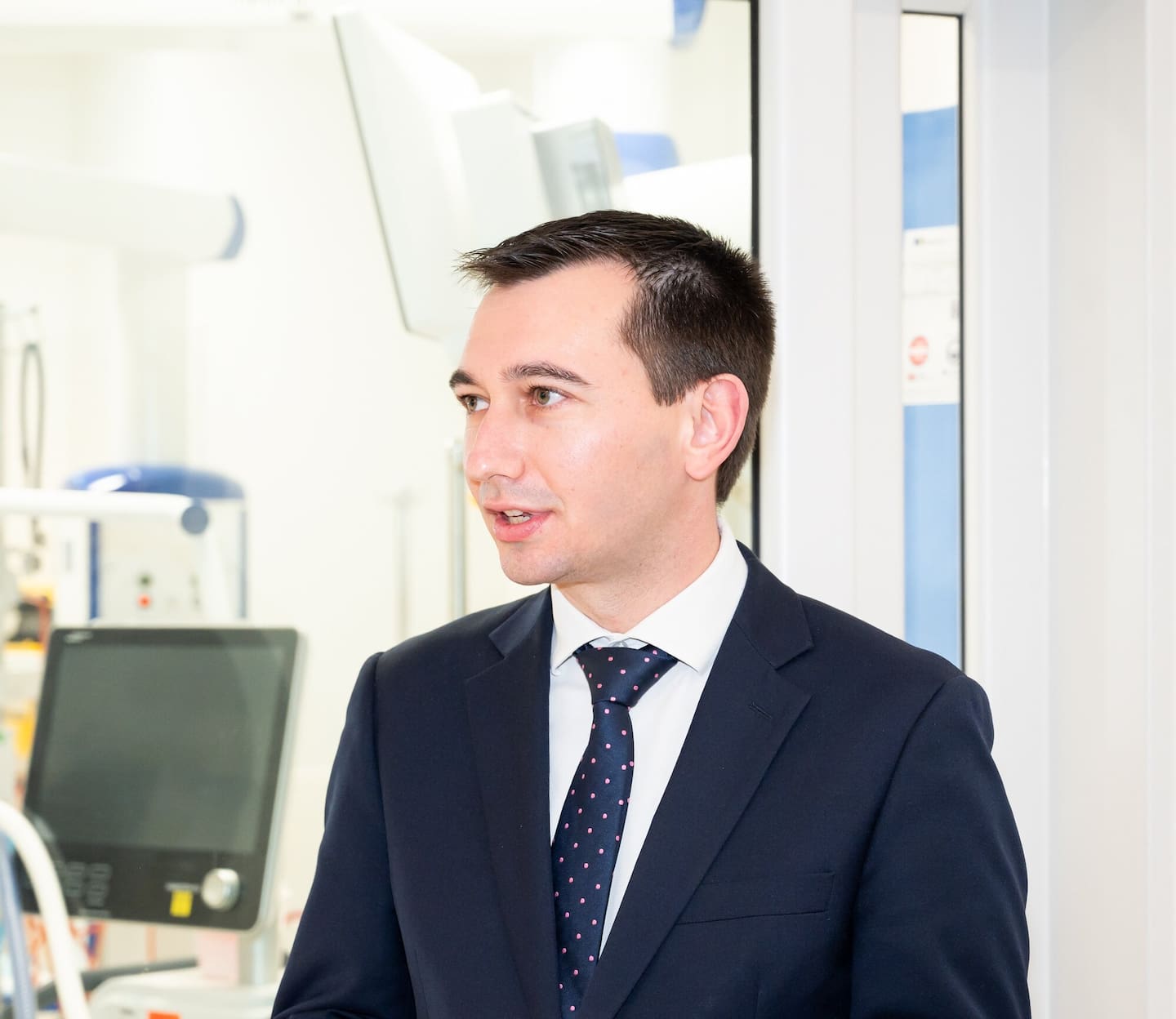
Health Minister Simeon Brown. Photo / Brydie Thompson
Health Minister Simeon Brown said the Government ensured young people had the “best possible start in life by building strong oral health habits early” by offering free dentistry until 18.
More than three million free toothbrushes and toothpaste tubes had been given to preschool-aged children “most at risk”.
Brown said the Government recognised the cost of dental care could be a barrier for some adults, and it had increased support through the Ministry of Social Development’s Special Needs Grant programme.
Annual grants of up to $1000 were available for essential and emergency dental treatment for those in financial hardship.
Those measures ensured support was available for those most in need, Brown said.
The Ministry of Health said hospital dental services provided specialist-level oral health care, and dental services for people of all ages with disabilities, medical complications or behavioural problems.
Where capacity and funding allowed, the service could provide pain relief services for adult Community Services Card holders.
Health NZ interim Bay of Plenty operations group director Andrew Boyd said the ministry committed to yearly dental examinations for children in 2001. Health NZ took over children’s dental services in 2022.
Since Covid-19, addressing the long waiting list had been challenging. Patients were prioritised by waiting time and highest risk, he said.
Fewer children were waiting extended times for an appointment, although “there is more work to do to clear the backlog”.
A school may have more than one yearly visit if there were high numbers of children meeting the high-risk criteria, otherwise additional appointments were offered in a mobile unit or fixed site clinic, Boyd said.
Rebuilding at Apanui School in 2022-23 had meant access for the service was either not possible or limited. Since Term 3 of 2023, Health NZ’s dental team had visited Apanui School four times, he said.
Megan Wilson is a health and general news reporter for the Bay of Plenty Times and the Rotorua Daily Post. She has been a journalist since 2021.
Take your Radio, Podcasts and Music with you
Get the iHeart App

Get more of the radio, music and podcasts you love with the FREE iHeart app. Scan the QR code to download now.

Download from the app stores


Stream unlimited music, thousands of radio stations and podcasts all in one app. iHeart is easy to use and all FREE